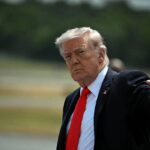
A proposed agreement between the United States and Iran is emerging as a major source of tension between US President Donald Trump and Israeli Prime Minister Benjamin Netanyahu, raising questions about the future of one of the world’s most closely watched political alliances.
While Trump has promoted the developing agreement as a pathway toward ending conflict, stabilizing energy markets, and preventing further regional escalation, many Israeli officials and analysts view the proposed arrangement with deep skepticism. Critics argue that the deal could provide Tehran with economic and diplomatic benefits without fully addressing concerns surrounding Iran’s military capabilities, regional influence, and long-term nuclear ambitions.
The disagreement highlights a growing divergence between Washington and Jerusalem over how to handle Iran and the broader Middle East security landscape.
Key Highlights
- A preliminary US-Iran agreement has reportedly been reached.
- Trump has described the arrangement as a major diplomatic breakthrough.
- Many Israeli politicians have criticized the deal.
- Netanyahu faces increasing political pressure at home.
- The disagreement could deepen tensions between Trump and Netanyahu.
What Is the Proposed US-Iran Deal?
According to reports, the agreement includes a ceasefire framework and broader negotiations intended to reduce tensions between Washington and Tehran.
The reported arrangement would involve steps aimed at reopening shipping routes through the Strait of Hormuz, reducing military confrontation, and restarting diplomatic discussions regarding Iran’s nuclear activities. Several reports indicate that the deal could serve as a foundation for future negotiations rather than a final comprehensive settlement.
Trump has presented the deal as a way to prevent a prolonged conflict while protecting economic interests and stabilizing global energy markets.
Why Israel Is Concerned
For years, Israeli governments have viewed Iran as one of their most significant security challenges.
Israeli officials argue that any agreement with Tehran should address:
- Iran’s missile program
- Support for regional proxy groups
- Nuclear development concerns
- Military activities across the Middle East
- Long-term security guarantees
Many critics inside Israel contend that the reported framework does not sufficiently address several of these issues. Some Israeli politicians have described the arrangement as a strategic mistake that could strengthen Iran while limiting Israel’s freedom of action.
Timeline of Events
February 2026
Military confrontation involving the United States, Israel, and Iran intensified, creating fears of a wider regional conflict.
Spring 2026
Back-channel negotiations involving US and Iranian representatives continued through intermediaries as efforts intensified to prevent escalation.
Early June 2026
Reports emerged of growing disagreements between Trump and Netanyahu over military operations and diplomatic strategy toward Iran.
Mid-June 2026
Trump announced that an agreement with Iran was largely complete and moving toward formal implementation. Israeli political leaders responded with criticism and concern.
Understanding the Trump-Netanyahu Relationship
For much of their political careers, Trump and Netanyahu have been viewed as close allies.
Their cooperation included:
- Strong security coordination
- Shared opposition to Iran’s regional influence
- Diplomatic support on key Middle East issues
- Close political communication
However, analysts note that the relationship has always been driven by strategic interests rather than complete policy alignment. As circumstances change, differences in priorities have become more visible.
Why Their Goals Are Beginning to Diverge
Trump’s Priorities
Trump faces several pressures that encourage a diplomatic solution:
Economic Stability
Higher energy prices and disruptions in the Strait of Hormuz can affect the global economy and domestic fuel costs. A diplomatic agreement could help stabilize markets.
Avoiding a Long Conflict
A prolonged military confrontation carries political and economic risks for the United States. Ending hostilities may be viewed as a practical objective.
Diplomatic Achievement
A successful agreement with Iran could be presented as a major foreign policy accomplishment.
Netanyahu’s Priorities
Israeli leadership has often emphasized different concerns.
Security Concerns
Many Israeli officials remain focused on limiting Iran’s military capabilities and regional influence.
Domestic Political Pressure
Netanyahu faces criticism from both supporters and opponents regarding Israel’s security strategy and its relationship with Washington.
Regional Military Strategy
Some members of Israel’s political establishment believe stronger pressure on Iran remains necessary.
Political Fallout Inside Israel
The reaction in Israel has been notable.
Reports indicate criticism has come from multiple political camps, including some figures normally supportive of Netanyahu. Critics argue that Israel may have gained little from recent military efforts if the conflict ultimately ends with concessions to Iran.
Opposition leaders have also used the controversy to question Netanyahu’s diplomatic effectiveness and his ability to influence American policy decisions.
What Could Happen Next?
Several scenarios remain possible.
Scenario 1: Deal Moves Forward
If the agreement is formally signed and implemented, tensions between Trump and Netanyahu could increase further if Israel believes key security concerns remain unresolved.
Scenario 2: Further Negotiations
The current arrangement could evolve into a broader framework that addresses additional Israeli concerns.
Scenario 3: Agreement Breaks Down
Some analysts remain skeptical about the durability of the proposed arrangement given the complexity of the issues involved.
Why This Story Matters
The dispute is about much more than personal disagreements between two leaders.
It reflects broader questions concerning:
- The future of US policy toward Iran
- Regional security in the Middle East
- The strength of the US-Israel alliance
- Energy market stability
- Future diplomatic efforts involving Tehran
The outcome could influence geopolitical developments far beyond Washington, Jerusalem, and Tehran.
Expert Analysis: A Turning Point in US-Israel Relations?
Many analysts caution against overstating the disagreement.
The United States and Israel continue to maintain deep military, intelligence, and diplomatic ties. However, the current debate demonstrates that allies can have different strategic objectives even when they share broader interests.
What makes this moment significant is that the disagreement concerns one of Israel’s most important national security priorities: Iran.
If the proposed agreement moves forward largely unchanged, it may become one of the most consequential points of disagreement between Trump and Netanyahu during their time in office.
Frequently Asked Questions
What is the US-Iran deal?
Reports indicate it is a framework intended to reduce tensions, establish a ceasefire, reopen shipping routes, and create conditions for broader negotiations.
Why does Israel oppose it?
Many Israeli officials believe the arrangement does not sufficiently address Iran’s military capabilities, missile program, and regional activities.
Are Trump and Netanyahu still allies?
Yes. The United States and Israel remain close allies, although differences over Iran have become increasingly visible.
Could the disagreement affect US-Israel relations?
Potentially, though analysts expect core security cooperation between the two countries to continue.
Has the deal been finalized?
Reports indicate that negotiations have advanced significantly, but implementation and long-term details remain subject to ongoing diplomatic processes.
Conclusion
The emerging US-Iran agreement has become a major test for relations between President Donald Trump and Prime Minister Benjamin Netanyahu. While Trump views diplomacy as a path toward reducing conflict and stabilizing the region, many Israeli leaders see the proposal as insufficiently tough on Tehran.
Whether the agreement ultimately succeeds or fails, it has already exposed important differences in how Washington and Jerusalem view the future of Middle East security. As negotiations continue and regional leaders assess their next moves, the developing rift could become one of the defining geopolitical stories of 2026.
Sources
- South China Morning Post (SCMP)
- Reuters
- Associated Press
- The Guardian
- Axios
- International diplomatic and security reports