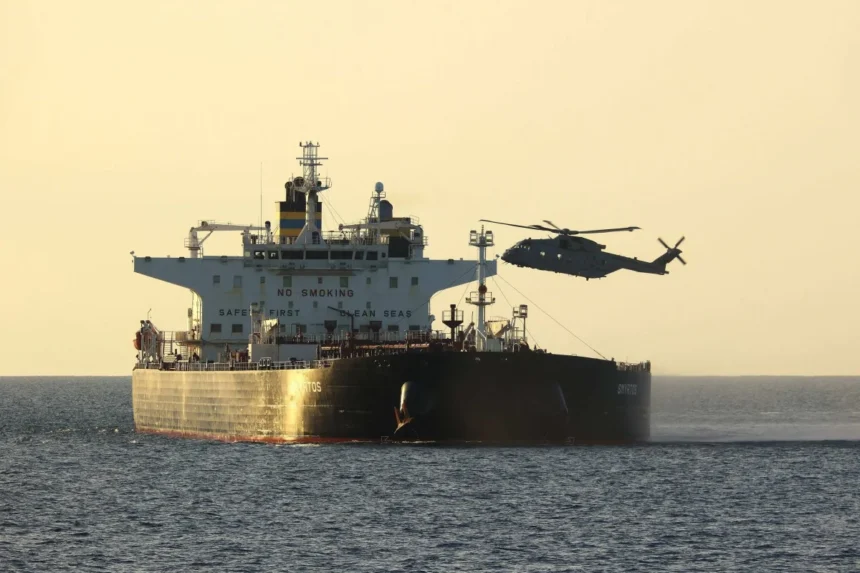
British authorities have charged an Indian ship captain after a tanker suspected of being linked to Russia’s so-called “shadow fleet” was seized in the English Channel, marking a significant development in ongoing international efforts to enforce sanctions imposed on Moscow following the war in Ukraine.
The case has attracted international attention because it highlights growing concerns about vessels allegedly being used to circumvent Western sanctions on Russian oil exports. Authorities across Europe and North America have increasingly focused on tracking and monitoring ships suspected of participating in networks designed to facilitate the transportation of sanctioned goods.
The seizure of the tanker and the subsequent criminal charges underscore the challenges governments face in policing global shipping routes while attempting to maintain pressure on Russia through economic restrictions.
As investigations continue, the case is expected to contribute to broader discussions about maritime security, sanctions enforcement, and the future of global energy trade.
Key Highlights
- UK authorities have charged the Indian captain of a detained tanker.
- The vessel is suspected of being linked to Russia’s shadow fleet.
- The tanker was seized in the English Channel.
- Investigators are examining potential sanctions-related violations.
- The case highlights growing international scrutiny of maritime shipping networks.
What Happened?
According to British authorities, a tanker suspected of involvement in Russia’s shadow fleet was intercepted and seized while operating in or near the English Channel.
Following investigations into the vessel’s activities, officials brought charges against the ship’s Indian captain.
Authorities have not publicly disclosed every detail surrounding the allegations, but the case forms part of broader efforts to enforce sanctions imposed on Russia following its invasion of Ukraine.
The tanker reportedly attracted attention because of concerns about its ownership structure, operational practices, or potential role in transporting Russian oil and related products outside established sanctions frameworks.
The captain now faces legal proceedings under UK law as investigators continue examining the vessel’s activities and connections.
What Is Russia’s Shadow Fleet?
The term “shadow fleet” refers to a network of ships believed to be involved in transporting Russian oil and other commodities while attempting to avoid sanctions, monitoring systems, or regulatory scrutiny.
These vessels are often associated with:
- Complex ownership structures
- Frequent flag changes
- Limited transparency
- Ship-to-ship transfers
- Alternative insurance arrangements
- Unclear corporate registrations
The concept gained prominence after Western countries imposed extensive sanctions targeting Russia’s energy sector following the Ukraine conflict.
As restrictions increased, governments and analysts reported a growing number of vessels operating outside traditional commercial shipping frameworks.
Timeline of Events
February 2022
Russia launched its large-scale invasion of Ukraine.
Western governments responded with sweeping sanctions targeting Russian banks, businesses, and energy exports.
2022–2023
The European Union, United Kingdom, United States, and allied nations introduced measures aimed at limiting Russian oil revenues.
Price caps and transportation restrictions became central tools of the sanctions strategy.
2023–2025
Reports emerged of a growing shadow fleet allegedly transporting Russian oil through complex international shipping arrangements.
Maritime regulators increased monitoring efforts.
Early 2026
Authorities across Europe intensified inspections and enforcement actions targeting vessels suspected of sanctions-related violations.
June 2026
British authorities seized a tanker in the English Channel and later charged its Indian captain as part of an ongoing investigation.
Why the English Channel Matters
The English Channel is one of the busiest shipping routes in the world.
Thousands of vessels pass through the area each year carrying:
- Oil
- Natural gas
- Consumer goods
- Industrial materials
- Agricultural products
Because of its strategic importance, authorities closely monitor maritime traffic in the region.
Any vessel suspected of sanctions violations or other unlawful activities can attract significant attention from regulators and law enforcement agencies.
The location of the seizure therefore adds additional significance to the case.
How Sanctions on Russian Oil Work
Since 2022, Western governments have implemented various measures designed to reduce Russia’s energy revenues.
These measures include:
Oil Price Caps
Restrictions aimed at limiting the price at which Russian oil can be sold using Western shipping and insurance services.
Shipping Restrictions
Limitations on transportation services connected to sanctioned Russian exports.
Financial Controls
Restrictions on transactions involving certain Russian entities and industries.
Insurance Regulations
Requirements affecting maritime insurance and compliance verification.
These policies are intended to reduce funding available to support Russia’s military activities while maintaining stability in global energy markets.
Why Authorities Are Targeting Shadow Fleet Operations
Governments argue that effective sanctions require robust enforcement.
Without enforcement, policymakers contend that restrictions become less effective.
Authorities believe shadow fleet operations may:
- Undermine sanctions regimes
- Reduce transparency in global shipping
- Increase maritime safety risks
- Complicate environmental oversight
- Create financial compliance concerns
As a result, regulators have significantly increased monitoring of suspicious shipping activity.
The Role of Ship Captains in Maritime Compliance
Captains play a critical role in international shipping operations.
Responsibilities often include:
- Navigational safety
- Regulatory compliance
- Cargo management
- Communication with authorities
- Operational oversight
However, legal responsibility can vary depending on the circumstances of each case.
Investigators frequently examine the roles of ship owners, operators, charterers, and captains when determining potential violations.
The charges against the Indian captain do not necessarily resolve broader questions regarding ownership or organizational responsibility.
Those issues may become clearer as legal proceedings continue.
International Implications of the Case
The seizure could have implications beyond the United Kingdom.
Increased Maritime Enforcement
Other countries may intensify inspections and investigations involving suspected shadow fleet vessels.
Higher Compliance Costs
Shipping companies could face additional compliance requirements and scrutiny.
Energy Market Effects
Stronger enforcement may affect transportation costs and supply chains linked to global energy markets.
Diplomatic Considerations
Cases involving international crews, multinational ownership structures, and sanctions enforcement often carry diplomatic implications.
Why This Story Matters
The case illustrates how sanctions enforcement has expanded beyond financial institutions and corporate entities into the complex world of international shipping.
It demonstrates the growing determination of Western governments to monitor maritime routes and identify activities that may undermine sanctions policies.
At the same time, the case highlights the difficulties associated with regulating global trade networks involving multiple jurisdictions, ownership structures, and legal frameworks.
As governments continue refining sanctions enforcement strategies, incidents like this are likely to become increasingly significant.
Expert Analysis: The Growing Focus on Maritime Sanctions Enforcement
In recent years, sanctions enforcement has become one of the most important areas of international economic policy.
Initially, many sanctions focused on:
- Banks
- Government entities
- Major corporations
Today, enforcement increasingly extends to:
- Shipping companies
- Insurance providers
- Port operators
- Commodity traders
- Vessel owners
Maritime trade plays a crucial role in the global economy, making shipping networks a key focus for regulators.
The seizure of the tanker demonstrates how governments are adapting their enforcement strategies to address increasingly sophisticated methods of sanctions evasion.
Experts expect maritime compliance requirements to become even stricter in the coming years.
Frequently Asked Questions
What is Russia’s shadow fleet?
The term refers to vessels suspected of helping transport Russian oil and related products through arrangements designed to avoid sanctions restrictions or regulatory scrutiny.
Why was the tanker seized?
British authorities suspect the vessel may have been involved in activities related to sanctions enforcement concerns.
Who was charged?
The Indian captain of the vessel was charged by UK authorities as part of the investigation.
Does a charge mean guilt has been proven?
No. Criminal charges are allegations that must be examined through the legal process before any determination of guilt is made.
Why is this case important?
It highlights growing international efforts to enforce sanctions and monitor maritime shipping activities connected to Russian energy exports.
Conclusion
The UK’s decision to charge the Indian captain of a suspected Russian shadow fleet tanker marks another significant step in the international campaign to enforce sanctions related to the Ukraine conflict. The seizure of the vessel in the strategically important English Channel demonstrates the increasing attention governments are paying to maritime routes and shipping networks that may be used to circumvent economic restrictions.
As the legal process unfolds, the case is likely to remain closely watched by policymakers, shipping companies, energy markets, and international regulators. Beyond the specific allegations, it underscores the growing role of maritime enforcement in global sanctions policy and the challenges of regulating international trade in an increasingly complex geopolitical environment.
Sources
- South China Morning Post (SCMP)
- UK law enforcement and maritime authority statements
- International sanctions guidance
- Maritime security and shipping industry reports
- Publicly available court and regulatory documents