Slug
palestinian-death-toll-tops-73000-gaza-ceasefire
Palestinian Death Toll Surpasses 73,000 Despite Gaza Ceasefire as Violence Continues
The Palestinian death toll in Gaza has exceeded 73,000, according to officials from Gaza’s Health Ministry, highlighting the devastating human cost of a conflict that continues despite an internationally brokered ceasefire. The latest figures come as Israeli military strikes persist across parts of the territory and negotiations over the next phase of the truce remain stalled.
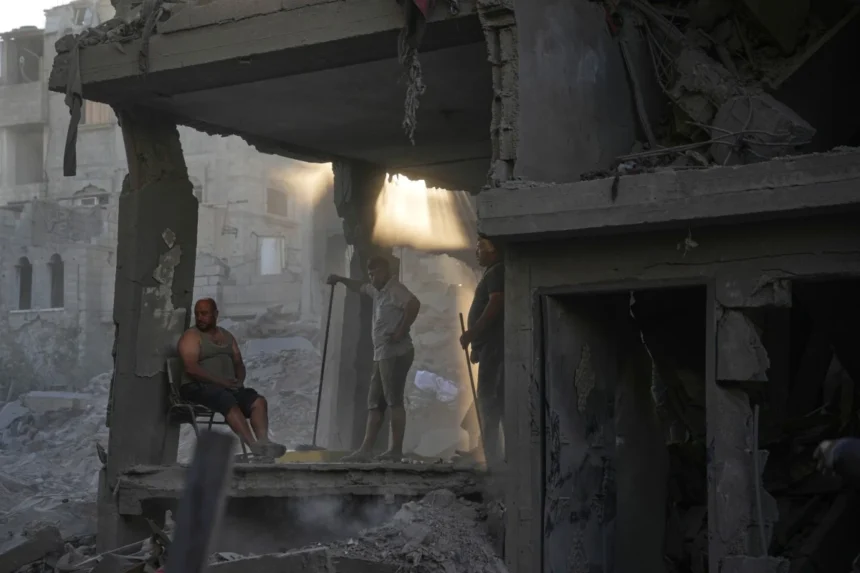
The war, which began following the Hamas-led attack on Israel on October 7, 2023, has left Gaza facing one of the worst humanitarian crises in its history. More than 173,000 Palestinians have reportedly been injured, while much of the enclave’s infrastructure has been damaged or destroyed.
Key Developments at a Glance
- Palestinian death toll surpasses 73,000.
- More than 173,000 people have been injured.
- Israeli strikes continue despite an existing ceasefire agreement.
- Nearly 1,000 Palestinians have reportedly died since the truce took effect.
- Negotiations over reconstruction, troop withdrawals, and long-term governance remain deadlocked.
Timeline of the Conflict
October 7, 2023
Hamas launched a large-scale attack on southern Israel, killing approximately 1,200 people and taking more than 250 hostages. The attack triggered a major Israeli military response.
2023–2025
Israel carried out extensive military operations throughout Gaza. The conflict displaced most of Gaza’s population and caused severe destruction to homes, hospitals, schools, and public infrastructure.
October 2025
A U.S.-brokered ceasefire agreement was reached, leading to a reduction in large-scale military operations and the return of remaining hostages. However, key issues remained unresolved.
2025–2026
Despite the ceasefire, Israeli strikes continued periodically. Both Israel and Hamas accused each other of violating elements of the agreement, while negotiations over future arrangements stalled.
June 2026
Gaza health officials announced that the Palestinian death toll had exceeded 73,000, making it one of the deadliest conflicts in the region’s modern history.
Why Are Deaths Continuing Despite a Ceasefire?
Many observers assume that a ceasefire means all violence stops immediately. However, the current Gaza truce has proven far more complicated.
Israeli officials maintain that military operations continue against individuals and groups they consider active security threats. Israel has stated that strikes are conducted in response to alleged militant activity and ceasefire violations.
Meanwhile, Hamas and Palestinian officials argue that ongoing strikes demonstrate that the ceasefire is not being fully implemented and accuse Israel of violating the agreement.
The result has been a fragile situation in which major combat operations have decreased, but deadly incidents continue to occur.
Humanitarian Impact of the War
The humanitarian consequences remain severe.
Millions of Palestinians have experienced displacement during the conflict. Essential infrastructure including residential neighborhoods, hospitals, water systems, and roads has suffered extensive damage. Aid organizations continue to warn about shortages of food, medicine, and basic necessities.
Health services remain under enormous pressure, with many facilities damaged and medical supplies limited. International organizations have repeatedly called for expanded humanitarian access to affected areas.
The Debate Over Casualty Figures
The casualty figures reported by Gaza’s Health Ministry have long been the subject of international discussion.
The ministry reports deaths and injuries throughout the conflict and is frequently cited by United Nations agencies, humanitarian organizations, and international media. However, Israel has often questioned aspects of the reporting methodology, particularly regarding the distinction between civilians and combatants.
Independent organizations and researchers have examined the figures over time, and the debate continues to play a significant role in international discussions about the war and its consequences.
Why Peace Negotiations Remain Stalled
Although a ceasefire exists, a permanent resolution remains elusive.
Several major issues continue to divide the parties:
Hamas Disarmament
Israel has insisted that Hamas must disarm as part of any lasting settlement. Hamas has rejected demands for complete disarmament without broader political agreements.
Israeli Troop Withdrawals
Disagreements remain over the future presence of Israeli forces inside Gaza. Negotiators have struggled to reach consensus on withdrawal timelines and security arrangements.
Reconstruction Efforts
Large portions of Gaza require rebuilding. International donors and regional governments have discussed reconstruction plans, but political disagreements continue to delay implementation.
Future Governance
Questions regarding who will govern Gaza after the conflict remain unresolved and continue to complicate diplomatic efforts.
Why This Story Matters
The latest death toll is significant not only because of the number itself but because it highlights the difficulty of achieving lasting peace.
Even after a ceasefire, violence continues, humanitarian challenges persist, and political disagreements remain unresolved. The conflict’s effects extend beyond Gaza and Israel, influencing regional security, international diplomacy, humanitarian aid policies, and global political debates.
The continuing casualties also underscore the challenges faced by mediators attempting to transform a temporary truce into a comprehensive peace agreement.
International Response
Governments, humanitarian organizations, and international institutions have repeatedly called for efforts to protect civilians and secure a durable peace.
The United Nations and aid agencies have emphasized the need for increased humanitarian access, reconstruction assistance, and renewed diplomatic engagement to prevent further loss of life.
Diplomatic efforts involving regional and international mediators continue, although major breakthroughs have yet to be achieved.
Frequently Asked Questions
What is the current Palestinian death toll in Gaza?
According to Gaza Health Ministry officials, the death toll has surpassed 73,000 people since the war began in October 2023.
How many Palestinians have been injured?
More than 173,000 people have reportedly been wounded during the conflict.
Is there still a ceasefire in Gaza?
Yes. A ceasefire agreement remains officially in effect, although both sides accuse each other of violations and deadly incidents continue to occur.
Why are Israeli strikes continuing?
Israel says it targets militants and responds to security threats and alleged ceasefire violations. Palestinian officials dispute these justifications.
What are the main obstacles to peace?
Major issues include Hamas disarmament, Israeli troop withdrawals, reconstruction plans, and future governance arrangements for Gaza.
Conclusion
The announcement that Gaza’s death toll has surpassed 73,000 marks another grim milestone in a conflict that has reshaped the region since October 2023. Despite the existence of a ceasefire, violence continues, humanitarian needs remain immense, and political negotiations have yet to produce a comprehensive settlement.
As mediators continue efforts to preserve the truce and address unresolved issues, the latest casualty figures serve as a reminder of the enormous human cost of the conflict and the urgent need for a sustainable path toward peace.
Sources
- Gaza Health Ministry
- Associated Press
- Reuters
- United Nations agencies
- Official statements from Israeli and Palestinian authorities