Seasonal transitions bring plenty of adjustments. Clothing changes. Menus shift (hello pumpkin spice). The heat gets turned on, and hot drinks start sounding better than iced ones. One thing that changes, whether people realize it or not, is driving.
The shift into fall can create a series of hazards for drivers — and not just because of snow and ice. Well before winter sets in, several easy-to-overlook risks can require drivers to adjust their habits.
Here are five hazards to keep in mind as the seasons change.
1. Earlier Sunsets Can Affect Visibility
Depending on where you are in the United States, the sunlight can vary dramatically. Wherever you live, daylight hours generally get shorter as fall progresses. That can mean earlier sunsets and later sunrises during busy commuting hours.
It may be easy to overlook the length of the day, at least as far as it pertains to driving. In reality, though, it can have a big impact on visibility. Low-angle sunlight can create glare through the windshield or mirrors, temporarily making it harder to see.
A few simple precautions can help, including keeping a pair of sunglasses in the car. Also, make sure to use your sunshade, drive slower when it’s hard to see and if you feel blinded, pull over and wait until visibility improves.
2. Animal Collision Risk Increases
Deer are a common problem in many areas of America. They can easily wander onto roads and can double back in confusion. They also travel in herds, which means just because one left the road doesn’t mean another one isn’t right behind it.
While deer can pose a traffic hazard throughout the year, animal-related collisions become more common in the fall. One insurance company estimated that the months of October through December are the highest risk for animal-related collisions. During these three months alone, 41% of all incidents occur, meaning approximately 650,000 individual events — and deer are the number one animal involved.
Your level of risk also depends on where you drive. For instance, if you’re driving in Nevada, Hawaii or Alaska, the risk of a deer hitting your vehicle is slim. West Virginia, for example, has some of the highest odds of an animal-collision insurance claim. Montana, Wisconsin and Michigan also rank among the higher-risk states. Additional precautions include being especially alert around dawn and dusk, slowing down in rural areas and using high beams when conditions and traffic allow.
3. Wet Leaves Can Make Roads Slippery
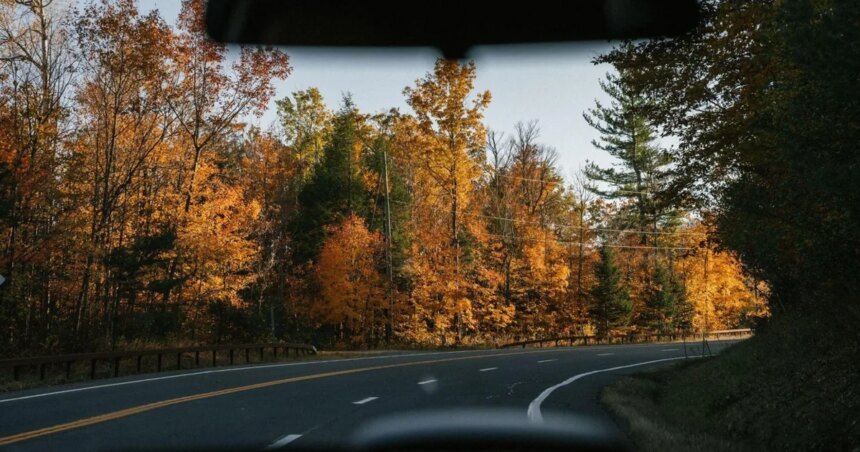
Autumn brings changing trees — and plenty of fallen leaves. When fallen leaves collect on the road, they can become particularly slippery when wet. When these are wet (more on fall weather in a minute), it can create a particularly nasty combination of circumstances that is easy to miss. Driving over a patch of wet leaves can reduce traction and make it harder to maintain control.
When you see wet leaves, there are a few things you can do to increase your road safety. Speed is a factor here again. Higher speeds can make it more difficult to maintain traction and may increase the likelihood of skidding. Make sure not to tailgate and keep plenty of distance between yourself and the cars in front of you.
It’s also smart to avoid sudden braking and rapid acceleration. If you begin to lose traction, avoid sudden braking or sharp steering movements and make gradual adjustments until you regain control. Try not to panic.
4. Back-to-School Traffic Takes Many Forms
The fall is a time when school schedules pick back up. This means more buses on the road in the morning. It also means students commuting to high schools and colleges. If you live in an urban area, you also want to watch out for pedestrians and cyclists commuting on or along the roads.
One major concern here, especially early in the fall, is distracted drivers. New routes, drop-off lines, pick-up areas and parking routines can also create distractions for drivers. Be patient and lean into defensive driving during these times.
Be extra alert for campus, school and bus stop signs, too. Be aware that crosswalks may have been relatively quiet during the summer. Expect sudden stops, too — i.e., leave plenty of following distance between your vehicle and the one ahead. Watch carefully for stopped school buses and flashing lights, and follow your state’s school-bus passing laws.
5. Rain and Fog Can Reduce Visibility
The fall is a rainy season for many of the coastal areas of the United States. Federal data estimates that roughly 12% of crashes — about 745,000 per year — occur in adverse weather conditions. Rain and wet pavement account for a large share of weather-related crashes.
Fog can make it hard to see. Rain can make the roads slippery and can also obscure vision. Later in the season, falling temperatures can also cause moisture on the roadway to freeze.
Much of the same advice applies here as it does for animal-related collisions and sunlight concerns. Slow down, leave extra space and avoid sudden braking or turns. Unlike on a dark rural road, high beams can make visibility worse in fog. Use low beams instead. If conditions become too difficult to drive in safely, find a safe place away from traffic to stop until visibility improves.
What To Do If You’re in an Accident This Fall
If you find that you do end up in an accident due to a fall driving hazard, it’s important to take the right steps. Start by stopping your vehicle and checking whether anyone needs emergency medical help. Check whether anyone is injured and call for emergency assistance when necessary.
If it is safe and appropriate to do so, move your vehicle out of active traffic. You’ll also want to document the scene, exchange information with the other driver and report the crash to your insurer as appropriate. California personal injury firm DK Law has published a downloadable Car Accident 101 Checklist, a one-page, six-step guide that drivers may choose to keep in their glove compartments.
Driving Carefully This Fall
Fall is a favorite season for plenty of reasons, but changing conditions can create new challenges behind the wheel. But it comes with plenty of challenges when it comes to driving on the road.
Use this list to remember what to look for as the leaves change and the temperatures drop. Whether it’s an animal crossing the road, a busy school zone, low-angle sunlight or a sudden patch of fog, anticipating seasonal hazards can help you respond more safely when conditions change.
The information provided in this article is for general informational and educational purposes only. It is not intended as legal, financial, medical, or professional advice. Readers should not rely solely on the content of this article and are encouraged to seek professional advice tailored to their specific circumstances. We disclaim any liability for any loss or damage arising directly or indirectly from the use of, or reliance on, the information presented.
Digital Trends partners with external contributors. All contributor content is reviewed by the Digital Trends editorial staff.