I have bad news first and slightly good news later. Nearly 20 EVs from different brands have either left or are leaving the US market this year. My first reaction to this was a groan. However, after looking at why each car got cut, the story became more interesting.
First, Business Insider counts nearly 20 US EVs canceled, paused, or delayed this year, with demand taking a major hit after the $7,500 federal tax credit ended in September 2025. However, the replacements for the outgoing models could be cheaper and might go farther on a single charge.

Which EVs are getting axed?
The American EV maker Tesla already retired the Model S and Model X in the second quarter. In the announcement, the company’s CEO, Elon Musk, said those assembly lines will build Optimus robots.
BMW is winding down the i4 and pulling the iX from the US. However, its all-new EV platform, Neue Klasse, will take over soon. In fact, the company is preparing to commence deliveries of the new i3 sedan (based on the same platform) early next year.
It’s worth noting here that the i3, with its 108.7 kWh battery pack and an estimated range of 440 miles, outruns the i4 (83.9 kWh, 333 miles of EPA-estimated range) by a significant margin.
For me, Honda’s retreat stings most. It scrapped the 0 Series Saloon and SUV, the Acura RSX EV, and the Sony-Honda Afeela sedan, all while taking a $15.7 billion EV write-down. The Prologue also exits after the 2026 model year. This will leave Honda EV-free for 2027. What does this mean for EV buyers?

| Automaker | Model(s) | Status | Key Reason / Context | Pricing (MSRP / Target Price) |
| Hyundai | Ioniq 6 Standard | Discontinued (US) | Dwindling sedan sales and lack of local US manufacturing economics. | $37,850 – $39,095 (SE Standard Range base) |
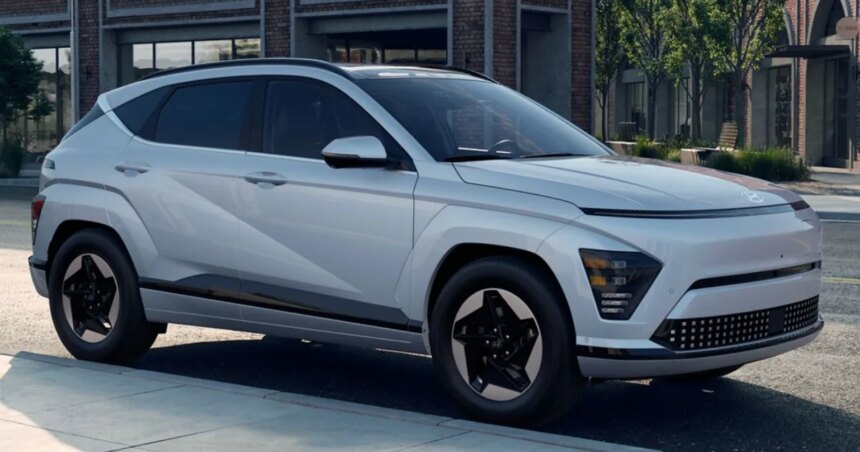
| Kona Electric | Paused (2026 MY) | South Korean imports paused for 2026; expected return for 2027. | Starting around $33,000 | |
| Kia | Niro EV | Discontinued (US) | South Korean import tariffs and cooling demand made the model unviable. | Starting at $41,195 (Wind trim) |
| EV6 GT & EV9 GT | Delayed Indefinitely | High-performance trims delayed due to shifting market conditions. | EV6 GT: ~$63,000EV9 GT-Line/GT: ~$73,900+ | |
| Volvo | EX30 | Discontinued (US) | Foreign-build tariffs inflated costs for the planned sub-$35,000 entry EV. | Target starting under $35,000 (originally $34,950 base) |
| EX40 | Discontinued (US) | Phased out in North America to make room for upcoming models like the EX60. | Starting at $56,545 (Plus trim) | |
| Polestar | Polestar 3 & 4 | US Sales Stoppage (2027 MY) | Denied exemption under Connected Vehicle Rules due to Geely’s Chinese ownership. | Polestar 4: $56,300
Polestar 3: $68,900 |
| Porsche | Taycan Cross Turismo & Sport Turismo | Discontinued (US) | Minimal sales volume for wagon body styles; core Taycan sedan remains. | Cross Turismo: $111,100 – $211,700Sport Turismo: ~$141,200 |
| Mercedes-Benz | EQE Sedan, AMG EQE & Maybach EQS 680 SUV | Discontinued | First-generation “EQ” models retired to transition toward traditional class naming and updated platforms. | EQE Sedan: $64,950 – $74,900AMG EQE: ~$96,600Maybach EQS 680: $180,000 |

The cheapest EVs are taking the biggest hit
In the short term, EV buyers are losing some of the cheapest options available on the market. The Volvo EX30, for instance, was pitched below $35,000. The Hyundai Ioniq 6 Standard was also priced under $40,000, a price that still gets entry-level EVs in the States. Kia’s Niro EV met a similar fate.
At the bottom of the pile, automakers are abandoning EVs due to tariff inflation on foreign builds, the expiration of the federal incentive of $7,500 in September 2025, hurting buyers in the price-sensitive segment of the market, and the low profitability of early-generation budget platforms these models were based on in the first place.
Of course, we also have some expensive nameplates, including the Porsche Taycan Cross Turismo, the Sport Turismo, and the Mercedes-Benz Maybach EQS 680. In the high-price bracket (over $100,000), the reasons tilt toward buyers’ interest in traditional body styles (big, muscular SUVs) and the obsolescence of first-generation EV platforms.
This clear-out began last year, when Ford stopped building the F-150 Lightning, Nissan dropped the Ariya, and VW parked the ID. Buzz until 2027.

Where is the market headed now?
Here’s what I feel is happening. EVs aren’t going away, but the way automakers build them is changing drastically. Cox Automotive mentions how the first half of 2026 increasingly became a hybrid story, while Honda is pivoting, Kia is keeping the Niro as a hybrid, and GM says hybrids are part of its plan.
Plug-in hybrids could bridge the gap for shoppers who want electric driving without charging or range anxiety. For everyone else, automakers are clearing out older EV platforms for newer ones promising better range, efficiency, and potentially lower prices.
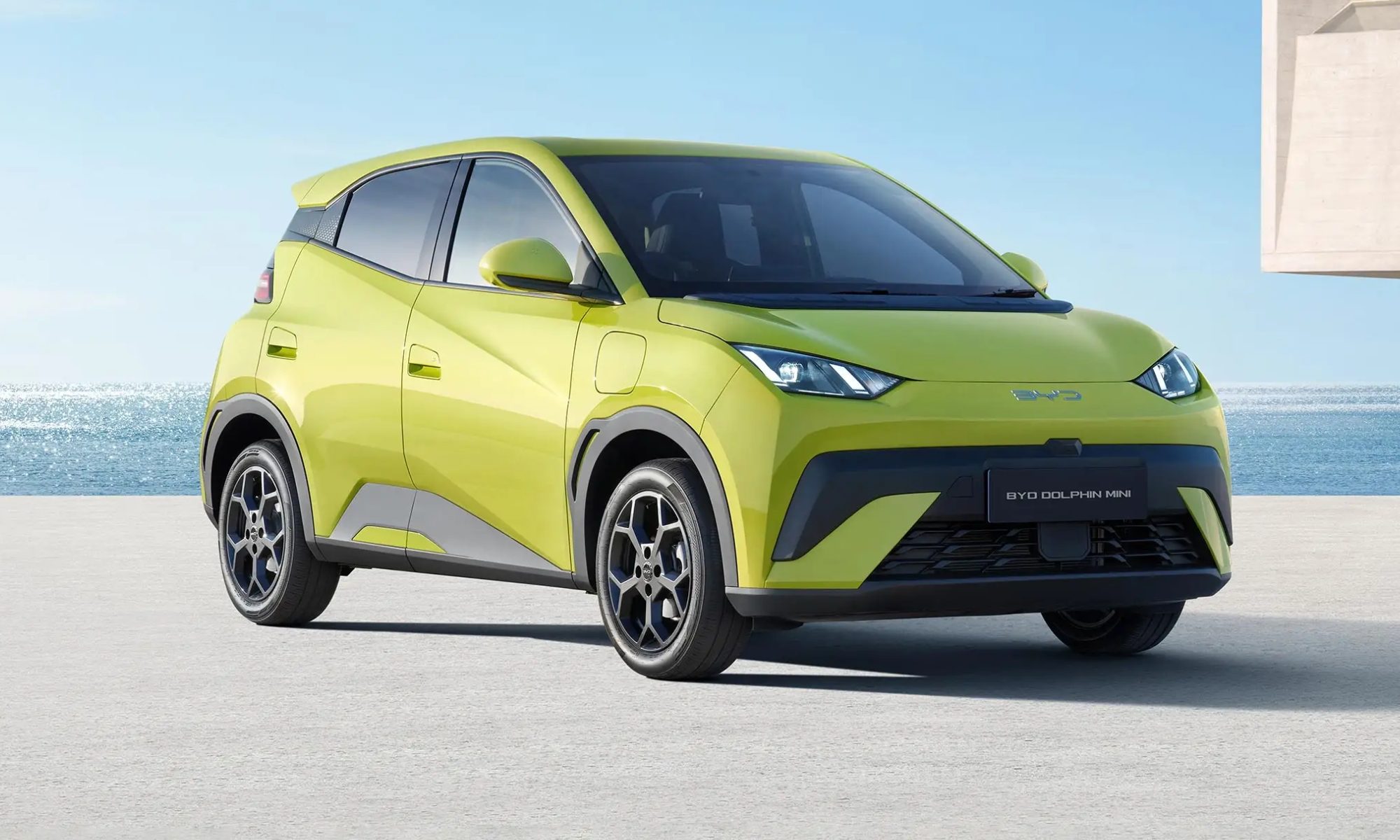
For now, tariffs keep the Chinese EV brands out of America, which, by the way, are doing exceptionally well in their native market and even in Europe. Their entry-level pricing, feature-rich models, and range that matches American EVs at half the cost give them a big advantage everywhere.
So, while American buyers have fewer choices in 2026, better and potentially more affordable options may be available in the future.
RELATED COVERAGE: