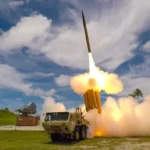
A deadly US military strike in the Gulf that killed three Indian sailors has triggered a diplomatic storm between India and the United States, placing unexpected strain on one of the world’s most important strategic partnerships.
The incident, which occurred during US enforcement operations connected to sanctions and maritime security measures in the Strait of Hormuz, has sparked widespread anger across India. What has intensified the controversy is not only the loss of Indian lives but also Washington’s refusal to issue a formal apology or public expression of regret following the deaths.
As Prime Minister Narendra Modi and US President Donald Trump meet on the sidelines of the G7 Summit, the tragedy has become a major test for bilateral relations that have otherwise expanded significantly over the past decade.
The deaths have also reignited debate inside India regarding the country’s relationship with the United States, its foreign policy priorities, and the protection of Indian citizens working in increasingly dangerous global conflict zones.
Key Highlights
- Three Indian sailors were killed during a US military strike in the Gulf.
- The vessel was reportedly targeted during US enforcement operations.
- India lodged a strong diplomatic protest with Washington.
- The United States defended its actions but did not issue an apology.
- The incident has generated political controversy in India.
- The issue is expected to feature prominently in discussions between Modi and Trump.
What Happened?
According to reports, the three Indian sailors were working aboard a commercial tanker operating in the Strait of Hormuz when the vessel was struck during US military operations. The United States reportedly claimed that the ship was involved in activities that violated sanctions enforcement measures connected to Iran.
The strike resulted in the deaths of three Indian crew members, making them among the first known civilian casualties linked to the expanding maritime tensions in the Gulf region.
Indian officials quickly reacted by summoning a senior US diplomat and issuing a strong protest over the incident. Foreign Minister S. Jaishankar later raised the matter directly with US Secretary of State Marco Rubio.
However, the American response further aggravated tensions.
While Washington defended the operation as part of sanctions enforcement efforts, US officials did not offer a formal apology or public condolences regarding the deaths of the Indian sailors.
Why India Is Angry
The central issue for many Indians is not simply the strike itself but the perception that the United States showed little concern after Indian citizens were killed.
Indian Foreign Minister Jaishankar publicly stated that such lethal actions against commercial shipping were not justified. India formally conveyed its objections through diplomatic channels and demanded accountability regarding the deaths.
Many political leaders, analysts, and citizens argue that the lack of an apology has undermined the image of a partnership that both countries have spent years strengthening.
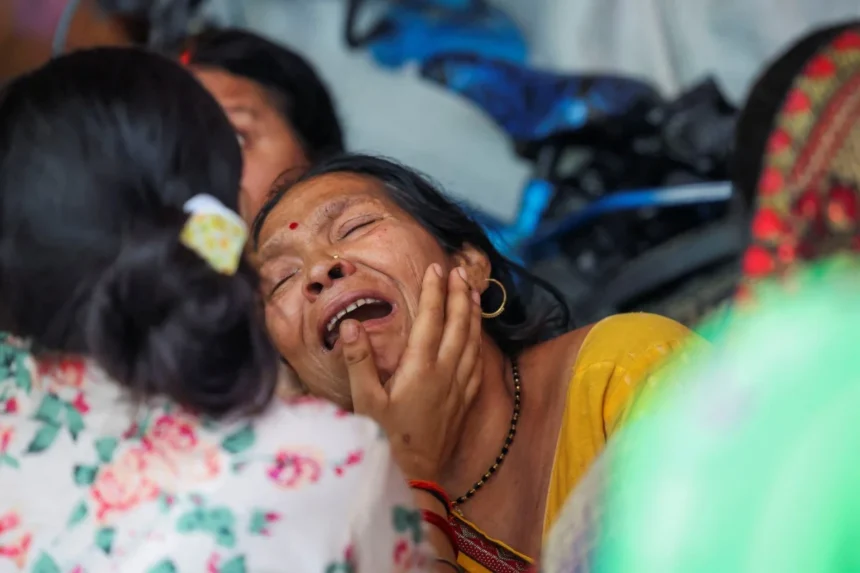
Families of the deceased sailors have also demanded answers regarding the circumstances of the attack and whether adequate rescue efforts were undertaken following the strike.
Timeline of Events
April 2026
The United States intensified maritime operations in and around the Strait of Hormuz as part of efforts to pressure Iran and enforce sanctions.
Early June 2026
US naval forces increased monitoring and interception activities involving commercial shipping routes in the Gulf region.
June 2026
A commercial tanker carrying Indian crew members was struck during a US military operation.
Three Indian sailors lost their lives.
Following the Strike
India summoned a senior US diplomat and lodged a strong protest.
Foreign Minister Jaishankar later discussed the matter directly with Secretary of State Marco Rubio.
G7 Summit Week
The issue emerged as a significant diplomatic challenge as Modi and Trump prepared for meetings during the summit.
Why the Strait of Hormuz Matters
The Strait of Hormuz remains one of the world’s most strategically important waterways.
A significant percentage of global oil exports pass through the narrow maritime corridor connecting the Persian Gulf to international markets.
The route is essential for:
- Global energy supplies
- Commercial shipping
- International trade
- Gulf economies
- Asian energy security
Any military activity in the area carries substantial geopolitical risks.
Because India imports large quantities of energy from the region and employs thousands of seafarers on international vessels, instability in the Gulf directly affects Indian interests.
Political Fallout Inside India
The incident has rapidly become a domestic political issue.
Opposition leaders have accused the government of not responding strongly enough to the deaths of Indian citizens.
Critics argue that India’s growing strategic relationship with Washington should not prevent New Delhi from demanding accountability when Indian nationals are harmed.
Meanwhile, supporters of the government have emphasized the importance of maintaining broader strategic ties with the United States while still seeking answers regarding the incident.
The controversy has therefore become intertwined with larger debates about India’s foreign policy independence and diplomatic priorities.
A Difficult Moment for India-US Relations
The timing of the dispute is particularly significant.
For years, India and the United States have expanded cooperation in areas including:
- Defense
- Technology
- Trade
- Intelligence sharing
- Maritime security
- Indo-Pacific strategy
Both governments frequently describe their relationship as one of the most important strategic partnerships of the 21st century.
However, recent disagreements over trade policies, sanctions, and energy imports had already introduced friction into the relationship.
The deaths of the sailors have added a deeply emotional dimension to those tensions.
Why the Lack of an Apology Matters
Diplomacy often depends as much on symbolism as policy.
In international relations, apologies, condolences, and expressions of regret can play a crucial role in managing crises.
Many observers believe the controversy might have been easier to contain if Washington had immediately acknowledged the deaths and expressed sympathy toward the victims’ families.
Instead, US officials largely focused on defending the legality and necessity of the operation.
This response has fueled perceptions in India that American authorities failed to appreciate the seriousness of the loss.
Expert Analysis: Strategic Partners Under Pressure
While the current dispute is serious, most analysts do not expect it to fundamentally transform India-US relations.
The relationship rests on broad strategic interests that extend far beyond any single incident.
Both countries continue to share concerns regarding:
- Regional security
- China’s rise
- Supply chain resilience
- Defense cooperation
- Emerging technologies
However, experts note that public opinion matters.
Incidents involving civilian casualties can influence domestic politics and shape public perceptions of foreign partners.
If not handled carefully, the deaths of the sailors could leave a lasting mark on how many Indians view the United States.
Why This Story Matters
The deaths of the three sailors represent more than a diplomatic disagreement.
The incident highlights several larger issues:
- The risks facing civilian maritime workers.
- The growing dangers in the Gulf region.
- Challenges associated with sanctions enforcement.
- The limits of strategic partnerships.
- The importance of diplomatic accountability.
As global conflicts increasingly affect commercial shipping routes, governments may face growing pressure to ensure civilian workers are protected from becoming unintended casualties.
Frequently Asked Questions
How many Indian sailors were killed?
Three Indian sailors reportedly died during the US military strike on a commercial vessel in the Gulf.
Why did the United States target the vessel?
US officials reportedly claimed the vessel was involved in activities violating sanctions enforcement measures linked to Iran.
Did the United States apologize?
No formal apology has been publicly issued, which has become a major source of controversy in India.
How did India respond?
India lodged a strong diplomatic protest, summoned a senior US diplomat, and raised the issue directly with Secretary of State Marco Rubio.
Could this affect India-US relations?
Analysts believe the broader partnership will continue, but the incident has created a significant diplomatic challenge and could influence public perceptions in both countries.
Conclusion
The deaths of three Indian sailors during a US military operation in the Gulf have created one of the most sensitive moments in India-US relations in recent years. While both countries remain important strategic partners, Washington’s refusal to issue a formal apology has intensified public anger and political pressure in India.
As Prime Minister Narendra Modi and President Donald Trump continue high-level discussions, the handling of this tragedy may play an important role in determining whether the dispute remains a temporary diplomatic setback or evolves into a more significant source of tension between the world’s two largest democracies.
Sources
- South China Morning Post (SCMP)
- The Guardian
- Statements from India’s Ministry of External Affairs
- Public comments by Foreign Minister S. Jaishankar
- Diplomatic and maritime security reports