UK Announces Sweeping Social Media Ban for Children Under 16
The United Kingdom has unveiled one of the world’s toughest restrictions on children’s access to social media, announcing that most people under the age of 16 will be barred from using major social networking platforms beginning next year.
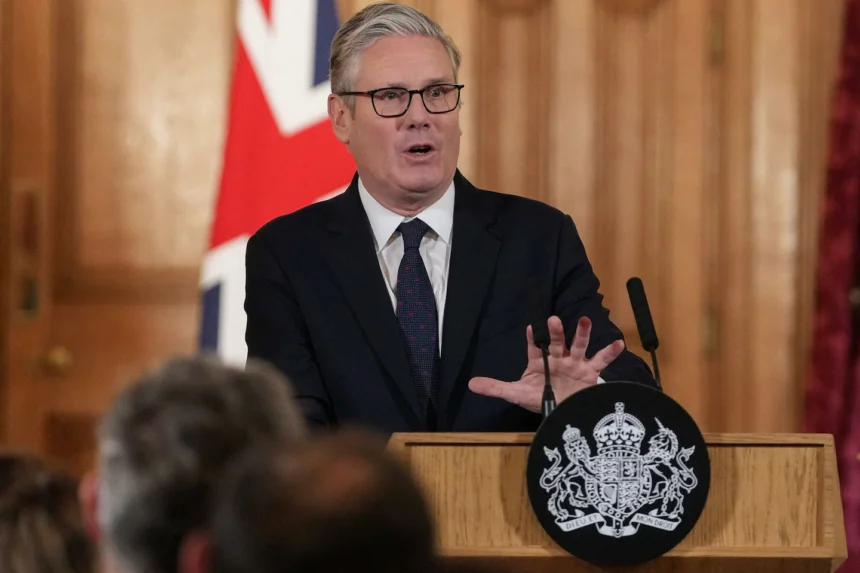
Prime Minister Keir Starmer described the move as a necessary step to protect children’s mental health, online safety, and overall well-being, arguing that social media companies have failed to adequately shield young users from harmful content, cyberbullying, exploitation, and addictive platform features.
The announcement represents a major shift in Britain’s approach to internet regulation and places the country among a growing number of nations introducing strict age-based limits on social media use.
Key Highlights
- The UK plans to prohibit most social media use by children under 16.
- The restrictions are expected to take effect by spring 2027.
- Platforms including TikTok, Instagram, Snapchat, Facebook, X, and YouTube will be affected.
- Messaging services such as WhatsApp and Signal are expected to remain available.
- Social media companies could face penalties if they fail to enforce age restrictions.
- The proposal has received strong support from many parents but criticism from several technology companies.
What Exactly Is Being Banned?
Under the government’s proposal, children under the age of 16 will no longer be allowed to access many popular social media platforms.
Reports indicate the restrictions will cover services such as:
- TikTok
- Snapchat
- X
- YouTube
- Threads
- Twitch
- Kick
The government says the objective is to reduce exposure to harmful content, addictive algorithms, online abuse, and unwanted contact with strangers.
Which Platforms Are Exempt?
Not every online service will be prohibited.
The government has indicated that educational and communication-focused platforms will remain accessible.
Examples include:
- Signal
- YouTube Kids
- Google Classroom
- Certain educational resources
Officials argue that children should still be able to learn online, communicate with family members, and access educational materials.
Why Is Britain Introducing the Ban?
The government cites growing concerns about the impact of social media on children and teenagers.
According to officials, key concerns include:
Mental Health Issues
Researchers and campaigners have increasingly linked excessive social media use to anxiety, depression, poor self-esteem, and other mental health challenges among young people.
Cyberbullying
Children can be exposed to harassment, bullying, and abusive behavior through online platforms.
Harmful Content
Policymakers worry about exposure to violent, sexual, extremist, and otherwise inappropriate material.
Addictive Design Features
Features such as infinite scrolling, algorithmic recommendations, and constant notifications have become a major focus of criticism from child safety advocates.
Timeline of Events
2023
The UK’s Online Safety framework began imposing greater responsibilities on technology companies to protect children online.
2024–2025
Countries around the world began debating stricter controls on children’s social media access, with Australia introducing one of the most prominent bans.
Early 2026
Public consultations in Britain revealed strong parental support for stronger protections and age restrictions on social media use.
June 2026
Prime Minister Starmer officially announced the under-16 social media ban as part of a broader child online safety initiative.
Spring 2027
The government expects the restrictions to come into force after implementation and compliance preparations are completed.
How Will the Ban Be Enforced?
One of the biggest questions surrounding the proposal involves enforcement.
The government plans to place responsibility on technology companies rather than children or parents.
Platforms will be expected to:
- Verify users’ ages
- Prevent under-16s from creating accounts
- Remove non-compliant accounts
- Strengthen identity verification procedures
Companies that fail to comply could face significant regulatory penalties.
Technology Companies Push Back
Several major technology companies have criticized the proposal.
Industry representatives argue that blanket bans may:
- Push children toward unregulated platforms
- Reduce access to moderated online communities
- Create enforcement difficulties
- Limit educational and social opportunities
Some companies have suggested that improving platform safety may be more effective than imposing outright bans.
Can Children Circumvent the Restrictions?
Critics point out that age-based restrictions are often difficult to enforce.
Potential workarounds may include:
- Using false birth dates
- Accessing platforms through older accounts
- Using VPN services
- Borrowing adult devices
Research examining similar policies in other countries suggests many teenagers believe age-verification systems can be bypassed relatively easily.
Because of this, experts say the effectiveness of the policy will depend heavily on the quality of age-verification technology and platform compliance efforts.
How Does Britain’s Ban Compare With Other Countries?
Britain is not alone in pursuing stricter controls.
Several countries have introduced or proposed similar measures:
Australia
Australia became one of the first major countries to implement a nationwide social media ban for users under 16.
France
French lawmakers have backed restrictions aimed at limiting social media access for younger users.
Spain
Spain has proposed a ban on social media access for children under 16.
Greece
Greek authorities have announced plans for age-based social media restrictions.
Germany
German policymakers have debated introducing similar limitations for minors.
The trend suggests governments worldwide are becoming increasingly concerned about children’s digital experiences.
Public Reaction
Initial reaction to the policy has been sharply divided.
Supporters Say
- Children need stronger protection online.
- Social media companies have not done enough.
- Mental health concerns justify intervention.
- The policy reflects public demand for action.
Government consultations reportedly showed overwhelming parental support for stricter age limits.
Critics Say
- Enforcement may be difficult.
- Teenagers may simply move to other platforms.
- The ban could reduce social interaction opportunities.
- Broader platform reforms may be more effective.
Technology companies and some digital rights advocates have expressed these concerns publicly.
Why This Story Matters
The UK’s decision marks one of the most significant attempts yet by a major Western nation to regulate children’s access to social media.
The policy could influence future legislation in:
- Europe
- North America
- Asia-Pacific countries
It also raises broader questions about:
- Children’s digital rights
- Platform responsibility
- Online safety
- Privacy
- Government regulation of technology
The outcome of Britain’s experiment may help shape how governments around the world approach social media regulation in the coming years.
Expert Analysis: A Global Turning Point for Social Media Regulation?
For years, governments have struggled to balance online freedom with child protection.
Many policymakers now argue that voluntary industry measures have failed to adequately address concerns surrounding youth mental health, cyberbullying, and harmful content.
Britain’s new approach shifts responsibility directly onto technology companies by requiring them to prevent underage access rather than simply moderate content.
Whether the policy succeeds will depend on enforcement, technology, public cooperation, and the ability of platforms to accurately verify user ages.
If successful, it could become a model for other nations. If enforcement proves ineffective, critics may argue that broader reforms targeting algorithms and platform design are needed instead.
Frequently Asked Questions
When will the ban start?
The UK government expects implementation by spring 2027.
Which apps will be affected?
Major social media platforms including TikTok, Instagram, Snapchat, Facebook, X, YouTube, and others are expected to be covered.
Will WhatsApp be banned?
No. Messaging services such as WhatsApp and Signal are expected to remain available.
Why is the government doing this?
Officials say the goal is to improve child safety, mental health, and protection from harmful online content.
Can children still access educational content?
Yes. Educational services such as Google Classroom and YouTube Kids are expected to remain accessible.
Conclusion
Britain’s decision to ban most social media access for children under 16 represents a landmark moment in the global debate over online safety and youth mental health. Prime Minister Keir Starmer’s government argues the policy is necessary to protect children from harmful content, addictive platform features, and online abuse, while critics warn that enforcement challenges and unintended consequences could limit its effectiveness.
As implementation plans move forward, governments, technology companies, parents, and educators around the world will be closely watching whether Britain’s ambitious experiment succeeds in reshaping the relationship between young people and social media.
Sources
- The Washington Post
- Reuters
- UK Government Online Safety Guidance
- The Guardian
- Public consultation and policy documents