I’ve lost count of how many friends have asked me which tablet to buy. For years, my answer has been a reflex: get the iPad. Samsung’s Galaxy Tab S12+ makes that reflex a lot harder to defend. It hits US shelves on October 7 at $1,199.99, which is $400 more than Apple’s 13-inch iPad Air M4. Is the extra cash buying you something real? Let’s dig in.
Samsung Galaxy Tab S12+ vs. M4 iPad Air (13-inch): Specs at a glance
| Galaxy Tab S12+ | 13-inch iPad Air 13 (M4) | |
| Dimensions | 289.5 x 187.8 x 5.3 mm (as published by Samsung) | 280.6 × 214.9 × 6.1 mm |
| Weight | 553 g (Wi-Fi) · 555 g (5G) | 616 g (Wi-Fi) · 617 g (Cellular) |
| Colors | Gray, Silver | Blue, Purple, Starlight, Space Gray |
| IP rating | IP68 | Not available |
| Biometrics | In-display optical fingerprint + optical face unlock | Touch ID (top button) |
| Display | 12.6-inch Dynamic AMOLED 2X, 2800 x 1752 pixels (262 ppi), 120Hz, 1,600 nits peak brightness (1,000 nits HBM) | 13-inch Liquid Retina (LED-backlit IPS LCD). 2732 x 2048 pixels (264 ppi), 60Hz, 600 nits |
| Chip | MediaTek Dimensity 9500 (3nm) | Apple M4 |
| CPU / GPU / AI | 8-core CPU (4.21 GHz prime core), Mali-G1 Ultra MC12 GPU | 8-core CPU (3P + 5E), 9-core GPU with ray tracing, 16-core Neural Engine |
| RAM | 12GB | 12GB unified (120GB/s bandwidth) |
| Storage | 256GB / 512GB, microSD up to 2TB | 128GB / 256GB / 512GB / 1TB, no card slot |
| Operating system | Android 17, One UI 9 | iPadOS 27 with Apple Intelligence |
| Updates | 7 OS upgrades + 7 years of security, from global launch | Mostly around 5 to 6 years |
| Rear camera | 13MP (f/2.0), 4K@30fps | 12MP (f/1.8), 4K@60fps |
| Front camera | 12MP ultra-wide (120°) | 12MP Center Stage (122°) |
| Wi-Fi | Wi-Fi 6E | Wi-Fi 7, 2×2 MIMO |
| Bluetooth | 6.0 | 6 (plus Thread) |
| Cellular | 5G variant | 5G sub-6GHz, Gigabit LTE, eSIM only |
| Port | USB Type-C 3.2 | USB-C, USB 3 (10Gb/s), DisplayPort, up to 6K external display |
| Audio | Quad speakers, 4-channel Spatial Audio | Landscape stereo speakers |
| Battery capacity | 10,600 mAh (45W wired charging) | 36.59 Wh (20W wired charging) |
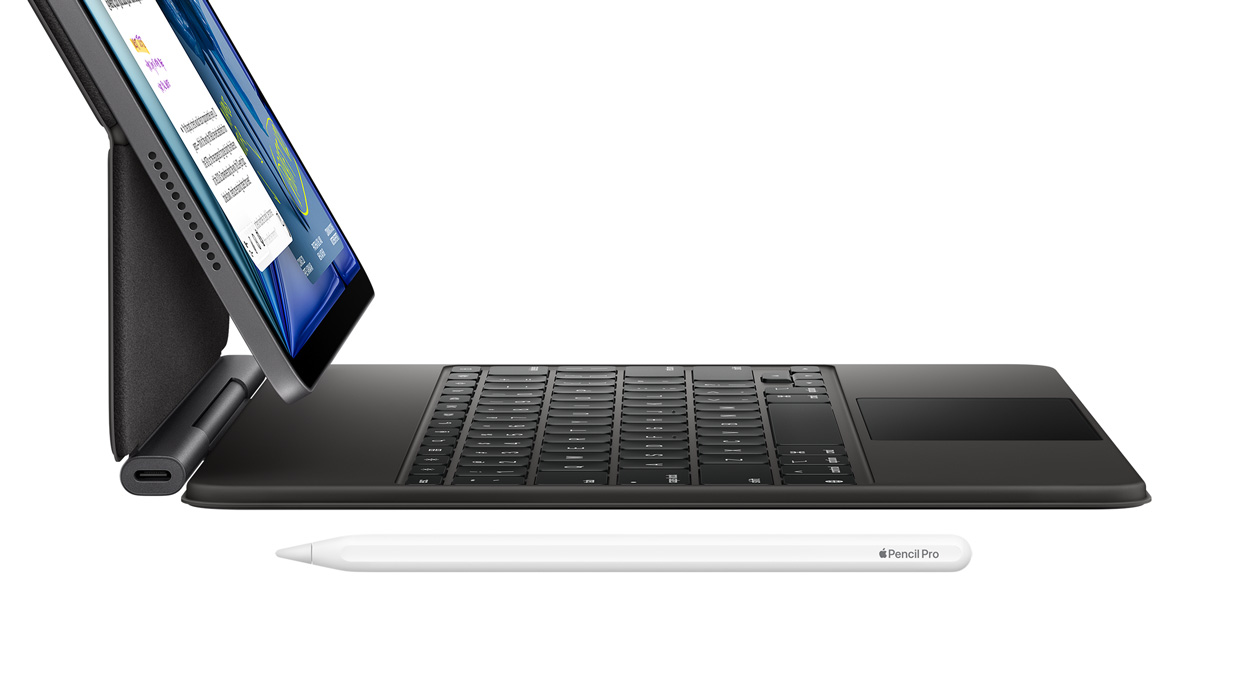
| Stylus | S Pen included | Sold separately |
| Charger in box | Not included | 20W adapter and cable included |
| US release | Oct 7, 2026 | Mar 11, 2026 |
| Starting price | $1,199.99 | $799 Wi-Fi · $949 Wi-Fi + Cellular |

Samsung’s Galaxy Tab S12+ combines a lighter design, better display, and more flexible software
Design comes first, and the Galaxy Tab S12+ feels different right away. Being one of the slimmest and lightest 12.6-inch tablets on the market, it’s built for people who actually carry their tablet around. Slip it into a bag or hold it for hours of reading or note-taking, and you’ll quickly appreciate how it doesn’t weigh you down at all.
Something that I don’t entirely get is why Apple still skips IP ratings on its iPads when every other brand, including Samsung, provides one. That’s an immediate durability win for the Tab S12+. I wouldn’t want you to drop it in a puddle, use it beside a pool, or hold it in the rain, but if you do, the IP rating should have your back for a limited time.

Usually, I talk about the speakers after I’m done with the display, but this one deserves a mention up front. The Tab S12+ sports a quad-speaker system (4-channel spatial sound) that won’t make you miss earphones while watching content. As for the display, it’s one of the most gorgeous screens I’ve used in 2026, full stop.
This is where the Galaxy Tab S12+ earns its keep. That 12.6-inch Dynamic AMOLED 2X panel, with an adaptive refresh rate (up to 120Hz) and 1,600-nit peak brightness, gives the iPad Air’s LCD a serious run for its money. Blacks are truly black, colors actually pop, and the best part is that you can see everything outdoors without squinting.

Whether it’s watching HDR content, scrolling through system menus, or social media, everything feels smoother and more natural on Samsung’s tablet. And then there’s the S Pen (included in the box), which tips the scales even more toward the Tab S12+. Samsung has also announced the Pro Keyboard and the Book Cover Keyboard Slim for the device, providing a near-laptop experience.
While it’s not a headline-maker, the Dimensity 9500 chip can still power some of Samsung’s strongest software features. I’m talking about Samsung DeX, which turns the almost 13-inch display into a PC you can take on the go, with a proper window system for apps, easy top-and-bottom snapping, and up to four different virtual workspaces. You can even connect an external monitor to extend the experience.

Three-way split screen rounds out the software advantages that the Tab S12+ clearly has over the iPad. You can also choose among three AI assistants: Gemini, Bixby, or Perplexity. Add deep personalization options, a much more flexible file system, and Quick Share that works with non-Samsung devices (read: iPads), and it starts to feel like a tool that bends to you, rather than forcing you to work around it.
Samsung even promises seven years of operating system and security updates for your peace of mind. The 10,600 mAh battery is larger than what you’d find in several power banks. It provides up to 21 hours of video playback between charges and supports 45W wired charging (though the box doesn’t include a charger).
Apple pulls ahead with the M4 and its tightly knit ecosystem
Design isn’t where the iPad Air wins on paper. It’s thicker, heavier, and doesn’t have an IP rating either. Its screen tells a similar story. Compared to an AMOLED screen, the iPad’s IPS LCD panel isn’t as vibrant, contrasty, or punchy. However, where it does pull ahead is with its true 13-inch, 4:3 panel, which gives you more usable room than the 12.6-inch, 16:10 Samsung.
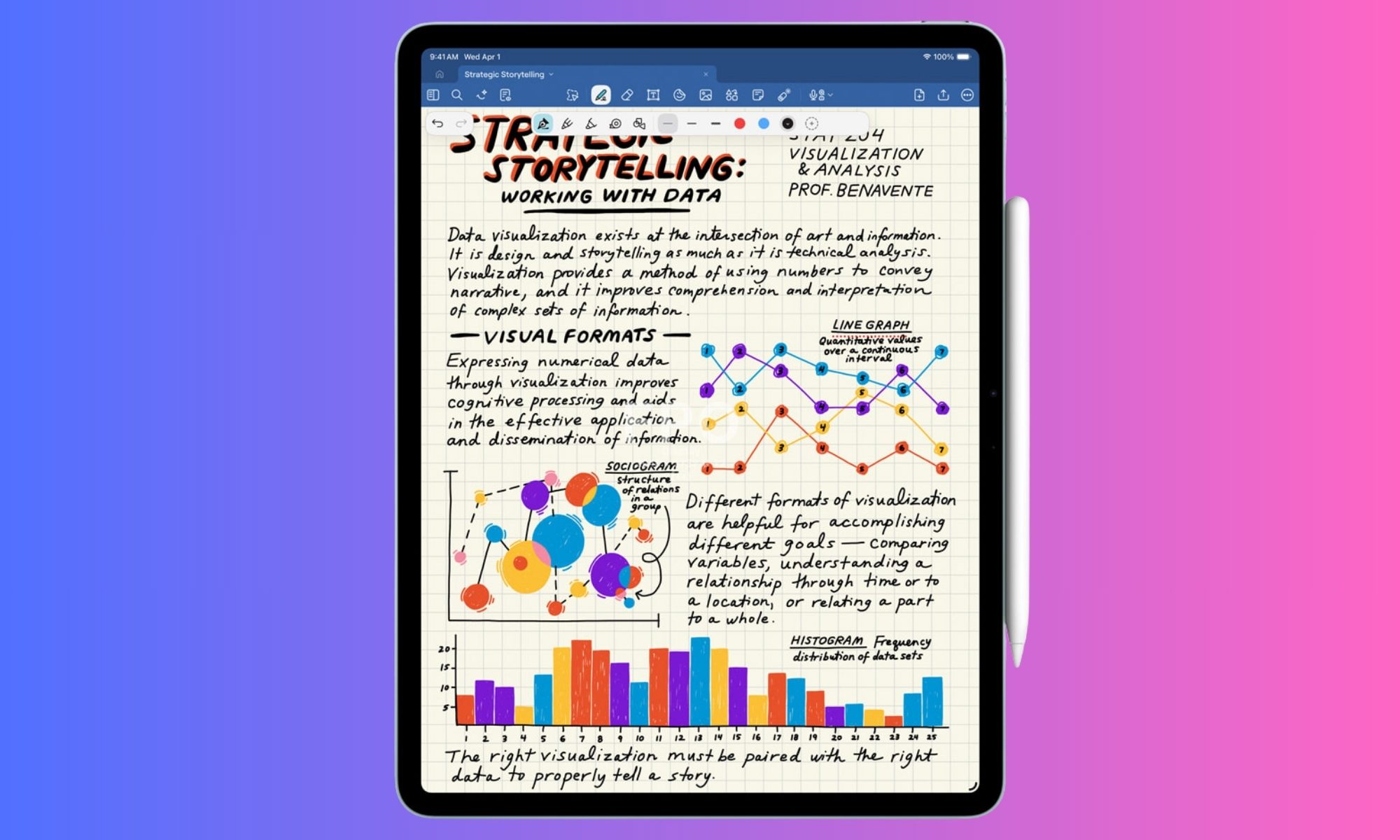
The taller canvas works well for documents and landscape work, which is where most of us spend our tablet time. What Samsung genuinely missed on the Galaxy Tab is an anti-reflective coating; it would go a long way toward taming screen reflections. Yes, the iPad supports an Apple Pencil, but you’ve to get it separately.

Performance is where the Air pulls ahead. The M4, with hardware ray tracing, a 16-core Neural Engine, and 12GB of unified memory at 120GB/s, is meaningfully faster and more efficient than the Dimensity 9500. The real difference lies in the underlying platform design.
The Dimensity 9500 is built to perform within a smartphone’s space and battery constraints. The M4, by contrast, is a larger, heavy-duty integrated chip built to handle sustained workloads. Think long video edits or a huge Procreate canvas. Thanks to the N1 wireless chip, the iPad also supports Thread networking technology, if you already have compatible devices using it.

Now for the big one: software. iPadOS 27 feels smoother and more polished than Android, in my opinion, and Apple Intelligence goes a step further, with on-device personal context, Visual Intelligence (especially with Pencil), and Siri AI.
If you already own an iPhone or Mac, Handoff, Universal Clipboard, Continuity Camera, and Instant Hotspot all just work. Stage Manager is definitely less flexible than DeX, but I find it more refined, particularly when you dock the Air to a Magic Keyboard and a display.

The USB-C port (10Gb/s, DisplayPort) drives screens up to 6K. Pro apps like Final Cut Pro, Logic, Affinity, and Procreate are also better optimized here, and tighter sandboxing makes the whole system feel safer. The Air’s 12MP Center Stage front camera is also a notch above, automatically keeping you in frame during video calls.
With a smaller battery, the Air should still provide similar battery life to the Galaxy Tab. The only clear advantage is that the iPad ships with a 20W charger.
| Samsung Galaxy Tab S12+ | 13-inch iPad Air (M4) | |
| Base storage | 256GB | 128GB |
| Wi-Fi | $1,199.99 | $799 |
| 256GB | $1,199.99 | $899 |
| 512GB | TBD | $1,099 |
| 1TB | — | $1,499 |
| Cellular starting price | TBD | $949 |
Which should you buy?
If you want the better all-around tablet, I’d pick the Galaxy Tab S12+. Its lighter design, gorgeous 120Hz AMOLED display, included S Pen, DeX, expandable storage, and IP68 rating make it more versatile out of the box. At $1,199.99, it’s significantly more expensive than the $799 starting iPad Air, but it includes more and offers more storage flexibility.
The iPad Air is the better choice for demanding creative work, thanks to the faster M4, stronger pro-app support, and Apple’s excellent ecosystem. Unless you already rely heavily on Apple devices or need that extra horsepower, Samsung gives you more tablet for your money.