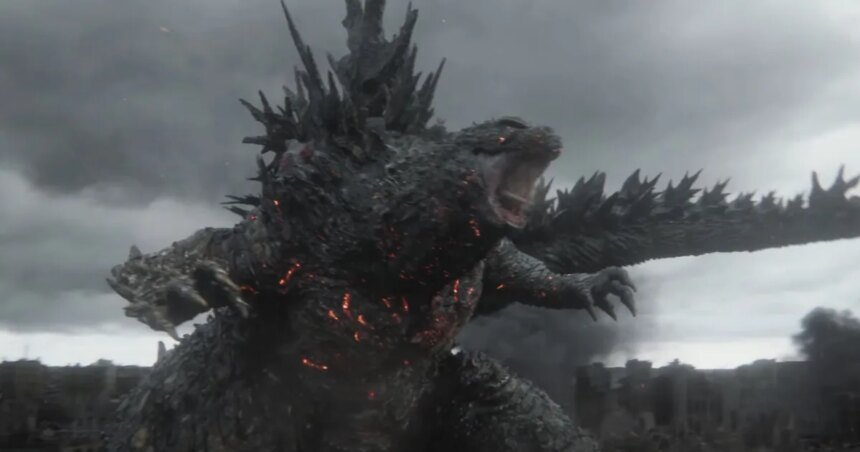
The King of the Monsters makes a spectacular return to theaters with the world premiere of filmmaker Takashi Yamazaki’s Godzilla Minus Zero. Set two years after Godzilla Minus One, this highly anticipated sequel follows the Shikishima family as they face a new crisis in the form of King Ghidorah, culminating in Godzilla’s return.
Yamazaki set a high bar for the Godzilla franchise with Minus One. However, with Godzilla Minus Zero, he delivers a bigger, bolder, and more beautiful blockbuster that doesn’t sacrifice its human heart. Expanding on its predecessor’s themes, Minus Zero explores the fear, hatred, and trauma that war leaves behind. Thus, Yamazaki’s new movie has joined the ranks of Terminator 2, The Dark Knight, and The Empire Strikes Back as one of the greatest sequels ever made.
The first Japanese production ever filmed for IMAX, Minus Zero debuted at the 2026 New York Film Festival, where Digital Trends experienced the movie for the first time. Yamazaki joined stars Ryunosuke Kamiki and Minami Hamabe at the premiere to discuss how the sequel came to be after Minus One‘s extraordinary success. In this Q&A moderated by film critic Justin Chang, the director and cast also talked about how they wanted to approach the story and the deeper meaning behind it.
This transcript has been edited for length and clarity.
Chang: I remember that when Godzilla Minus One came out in 2023, it seemed like an almost immediate call for a sequel. At what point in this process did you agree and say that you would be the one to do it?
Yamazaki: I would say it was decided pretty quickly after Godzilla Minus One. I was already thinking about what I want to do during filming. But it wasn’t actually [confirmed] until I’d say like day one when the film was released.
Chang: There has been so much fan anticipation around the film, and, I imagine, a lot of conversation about where the story would go next. And as you’re thinking about these things, I wonder, are you aware of that discussion? Are you trying to just kind of ignore it so that you can best pursue the story as it should be pursued?
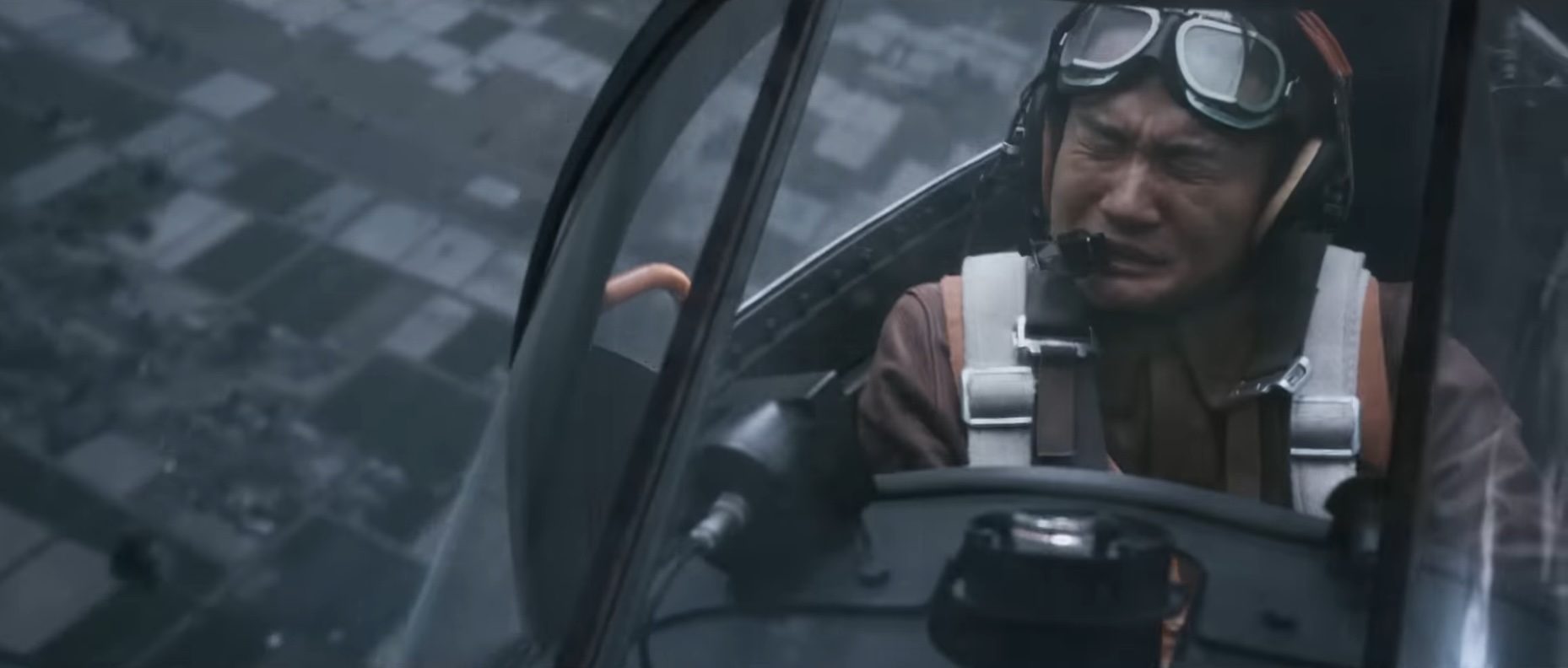
Yamazaki: As you mentioned, there are several ideas, great ideas actually floating around the internet, all kinds of theories. But my mission then becomes, “Well, how do I exceed that expectation?” Because I think if I do it as the fans predicted, and what’s the point of me as a creator, that would kind of bum me out in a way.
So if you guys recall from Godzilla Minus One, the great end, we see this sort of black mark on Noriko’s neck. So there’s a lot of Internet theories about her becoming the next kaiju somehow. So I told myself that is the one thing we’re not going to do.
Chang: That’s a good note to bring the actors in…When did you find out that Godzilla Minus Zero would be in the works, and was it pretty easy to say “Yes” after the success of the first film?
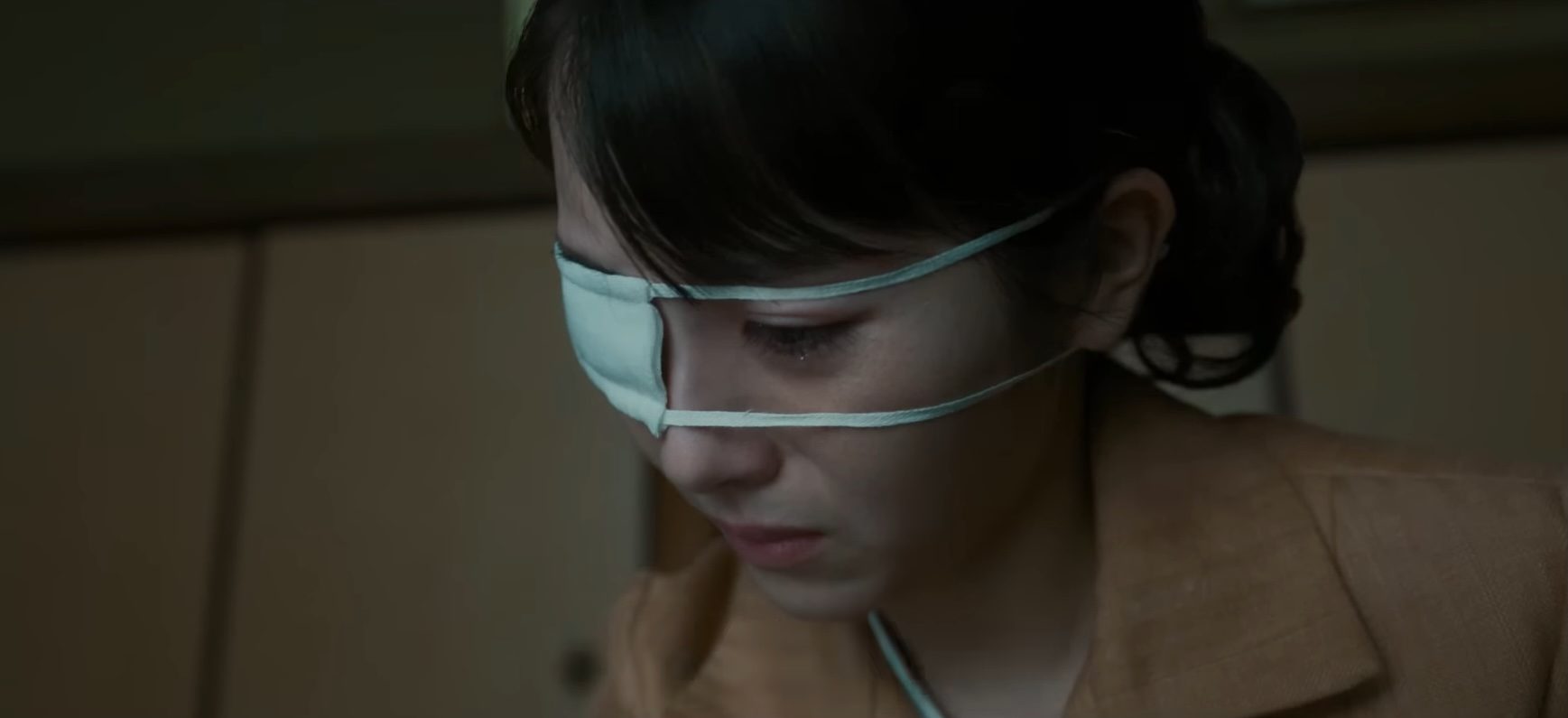
Kamiki: So we heard rumors when we were on our PR press tour for Godzilla Minus One that there might be something in the works. So I was thinking, “No way, that can’t be true,” when I’m hearing these rumors.
And actually, when I got the offer to play Shikishima again, I was, of course, very happy and pleased…but at the same time, I knew we were dealing with Godzilla here, and it’s everyone’s favorite kaiju, so there’s a lot of weight to shoulder. I think I was feeling both happiness and pressure at the same time.
Hamabe: So I think so many people loved Godzilla Minus One, and it was just a movie that was so well received. So when I received the offer for the sequel…I was very happy, but again, with that mark on my neck, I was thinking, and the Internet said, “You know, what if I try to do a kaiju?” So I texted Yamazaki-san, “Hey, am I gonna become a kaiju? Because if that’s the case, I need to really think about this role.”
Chang: Were you relieved when you saw that the script took a different direction altogether?
Hamabe: Yeah.
Chang: I do want to ask about King Ghidorah, [who] has been Godzilla’s arch-nemesis since…1964. Did you know from the start that it would be so central to the film that this would be a battle royale between the two of them?
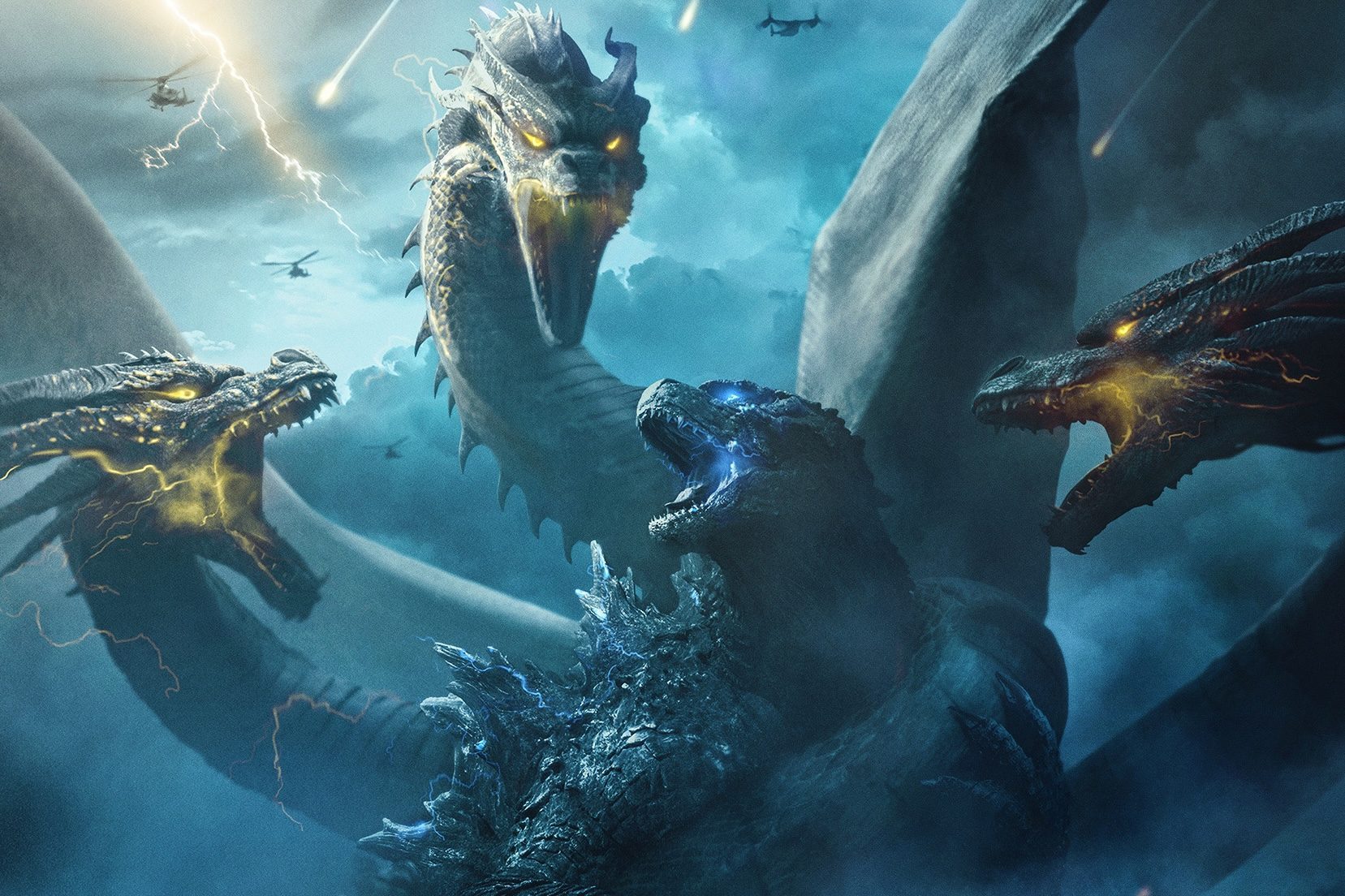
Yamazaki: So I was born in 1964, which is incidentally the same year that that film was released and Ghidorah was on the big screen. So I think I have some connection to [Ghidorah]. I feel like we’re the same age kaiju. [When] we think of Godzilla, I think inevitably, you want to think about King Ghidorah as well.
And I was very cautious because if I bring this to Toho the wrong way, they might reject my ideas. I was just kind of feeling, “Hey, you know, what if Ghidorah [is] in the next movie?” and they gave the green light. So thank goodness, because before I saw the movie as a very young child, I heard that Ghidorah was going to be in Matsumoto, which was the city that I’m from. But when I actually got to the theater and I saw the film, it just flies over. So it was a very short scene.
It was very disappointing…so, here we are, decades later, and I thought to myself, “I want to choose my words carefully,” but I wanted a Ghidorah that committed to Matsumoto, shall we say? So I’m using other people’s money to make my childhood dream.
Chang: Godzilla Minus One won the Oscar for Best Visual Effects, and congratulations to you and your team. We can foresee the results on the screen, but could you talk about…what you wanted to do specifically to build on the first film?
Yamazaki: For me, I think VFX is almost woven into the story. [You] can’t make a movie because you want to show off certain scenes in VFX. So there’s the story, and there’s the effects that help support the narrative you’re trying to tell.
And for me, knowing I was gonna work on King Ghidorah, I wanted to create imagery that people have never seen before. It’s an absolutely intense battle, and because we’re in the digital generation, I think there’s different ways to go about that.
Chang: I have so much I want to ask, but I think it’s time to turn it over to our press audience.
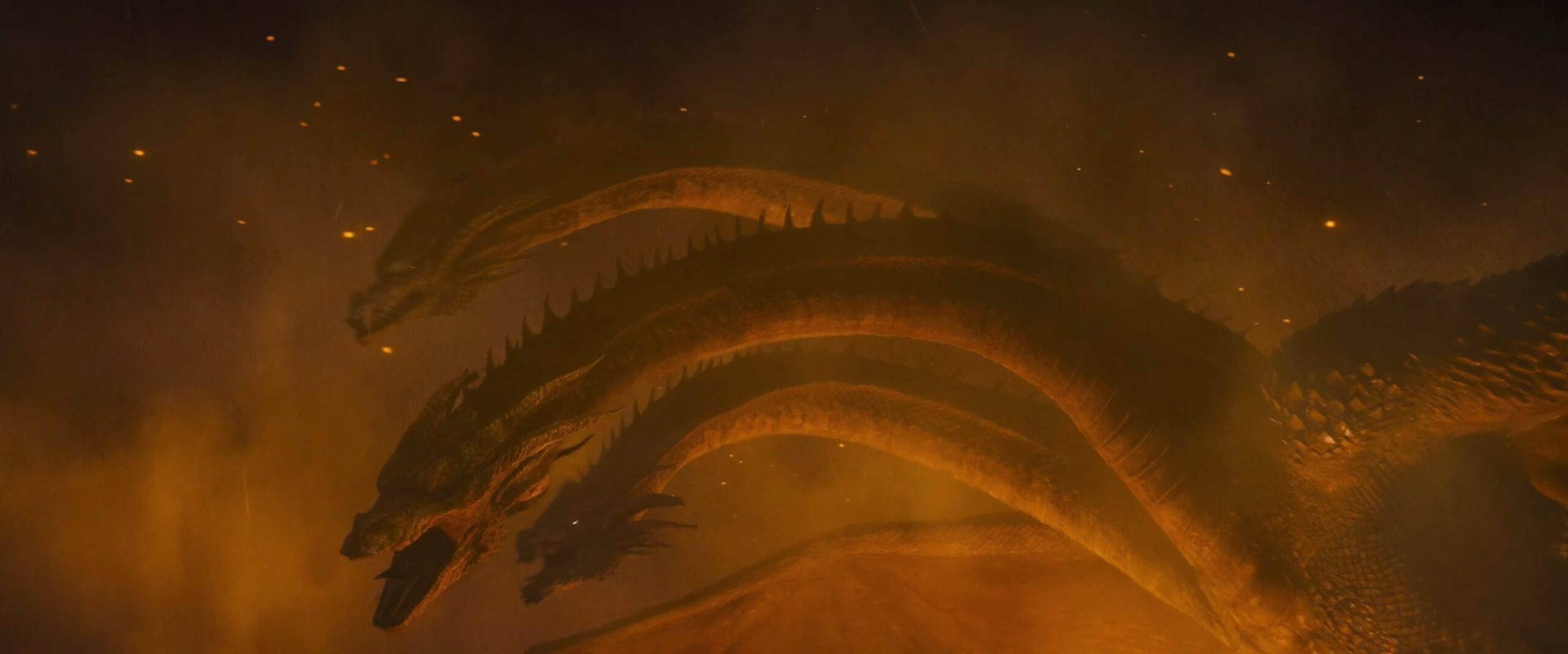
Digital Trends: Thank you. So I wanted to ask about the themes and message of Godzilla Minus Zero. I know that Godzilla itself is a metaphor for nuclear war and atomic bombs, but while I was watching the film, I personally saw King Ghidorah as a metaphor for cultural assimilation. In the beginning, you see it just absorbing all these different creatures…Could you break down your reasoning and approach to portraying [Ghidorah this way]?
Yamazaki: As far as what King Ghidorah represents in this film is something I would not want to say or decide from my position as a director and writer. I think it’s more about the audience and their interpretation of what that looks like on screen to each individual. And I think we live in an era where King Ghidorah can serve as that lens.
So what I did want the film to convey is this source and being of absolute terror, this power that can’t be controlled. And is that culture? Is that natural disaster? I think there are a lot of powers out there and forces that are beyond human control, and what that says to you as an individual member of the audience, I think, is all correct. If it made you feel something, then that’s correct as an answer.
Godzilla Minus Zero arrives in theaters in Japan on November 3.