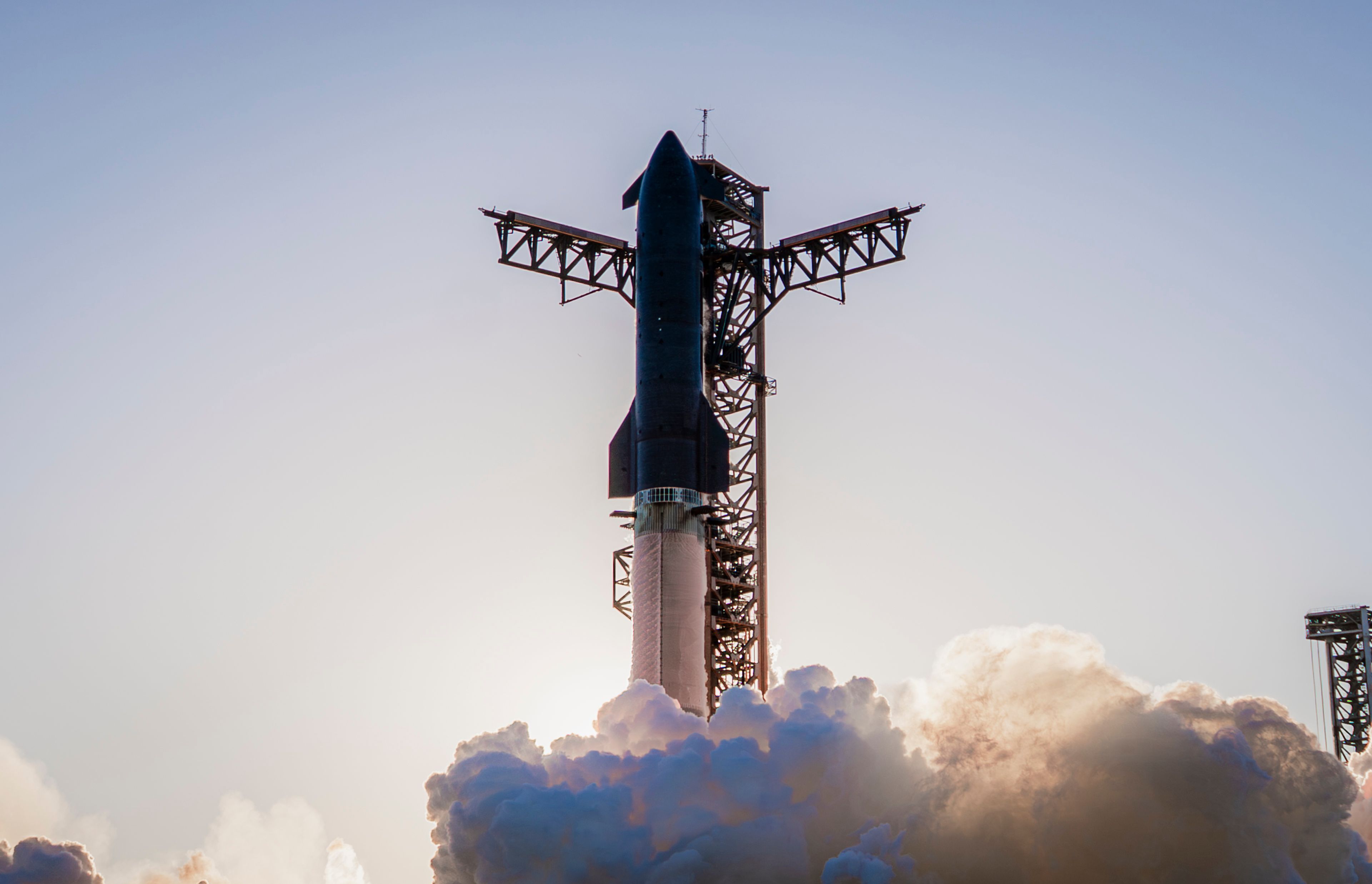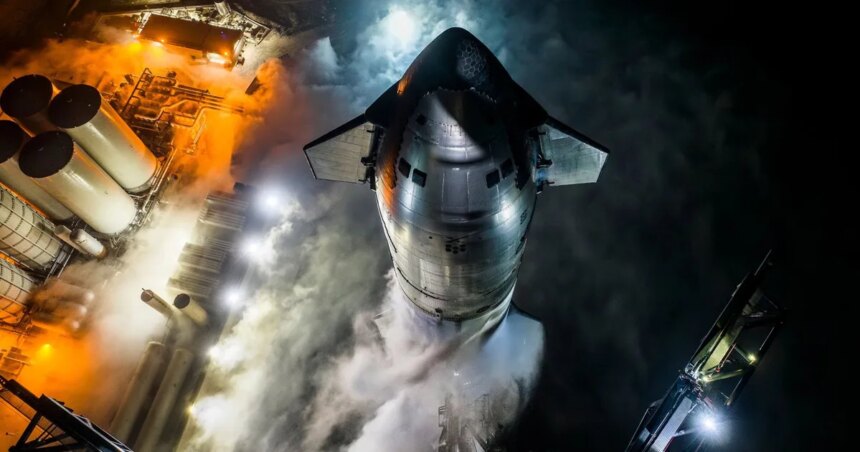
After 13 suborbital test flights and more than $15 billion in development costs, SpaceX’s Starship has finally reached orbit. The 407-foot megarocket, the most powerful ever built, lifted off from Starbase, Texas, on Monday and delivered its first real payload on it’s 14th attempt. The celebration came with an asterisk, though, since SpaceX had to cut the planned 10-hour mission to roughly three hours.
What happened during Starship’s first orbital flight?
Shortly after separating from its booster, the Starship upper stage lost one of its engines. SpaceX spokesperson Dan Huot even told livestream viewers the team wouldn’t commit to orbit. However, minutes later, engineers confirmed the ship could still make it, and it did.
Once there, Starship released 26 Starlink V3 satellites one by one, each handling 10 times more data than older models. Musk says all 26 are working normally. The Super Heavy booster also completed its planned controlled splashdown in the Gulf of Mexico, while Starship continued its mission.
Why did SpaceX end the mission early?
SpaceX originally planned six orbits at about 170 miles above Earth, followed by a Pacific splashdown near Chile. Instead, mission controllers shortened the flight and brought Starship back after only a couple of orbits. The spacecraft splashed down north of Hawaii, where it tipped over and erupted in a fireball.
The test still achieved its primary milestone while gathering data on systems including Starship’s heat shield. Three Starlink V3 satellites carried cameras designed to capture heat-shield data during reentry.
What comes next for Starship?
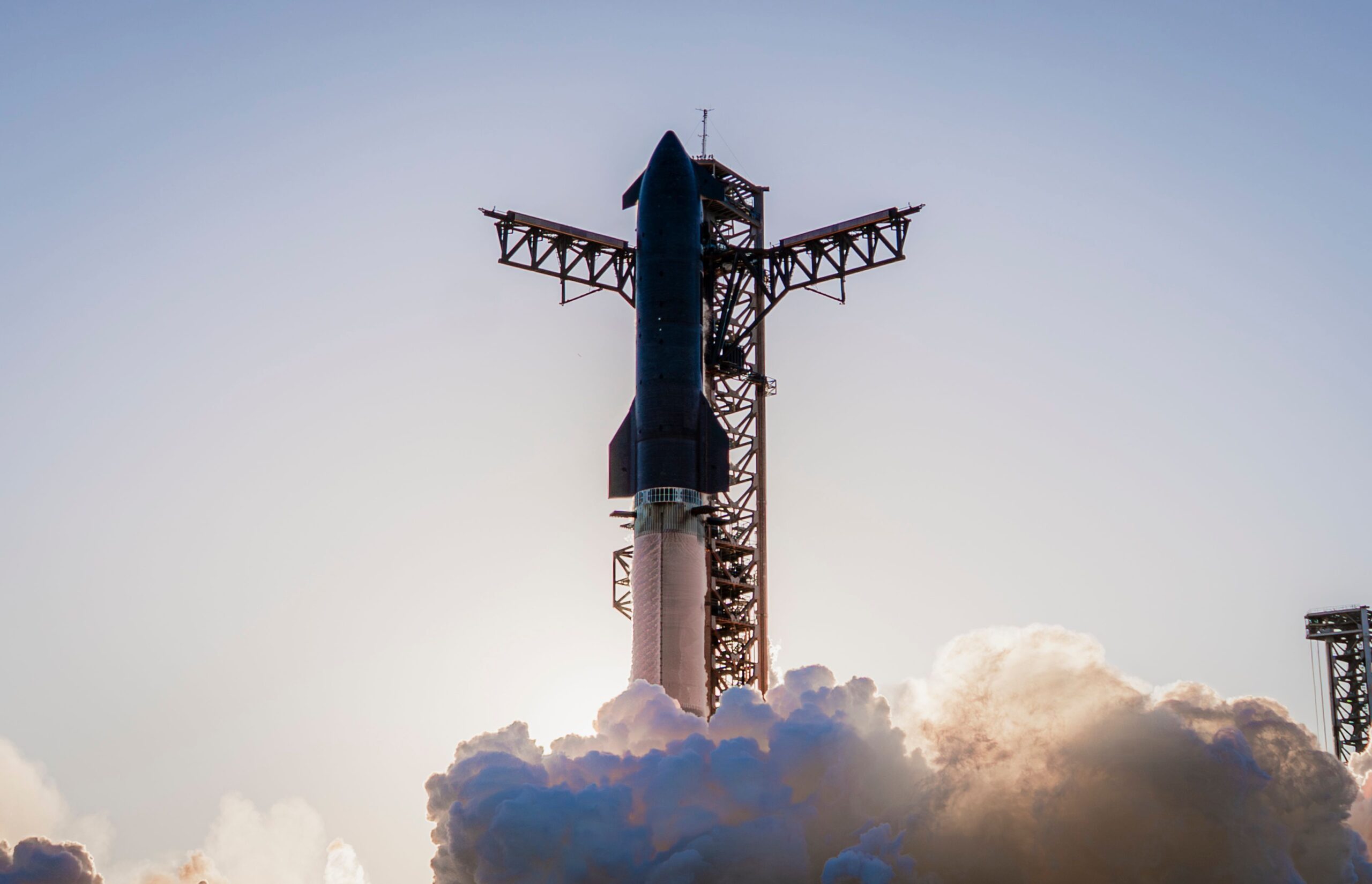
SpaceX still wants to catch the ship with its launch tower’s giant mechanical arms, something it has only done with the booster so far. It also needs to prove it can refuel in orbit before heading to the moon. That matters a lot to NASA, which is counting on Starship for its Artemis missions, starting with a docking test as soon as next summer.
Musk, meanwhile, claims Starship is two to three years from hourly flights. Considering he once promised orbit by 2022, I’d take that timeline with a grain of salt.