Every Great Change Begins With a Small Act
Many people believe that only wealthy individuals can make a meaningful difference through charitable giving. The reality is often quite different. Across the world, countless life-changing projects are funded not by a few large donors but by thousands of ordinary people contributing small amounts.
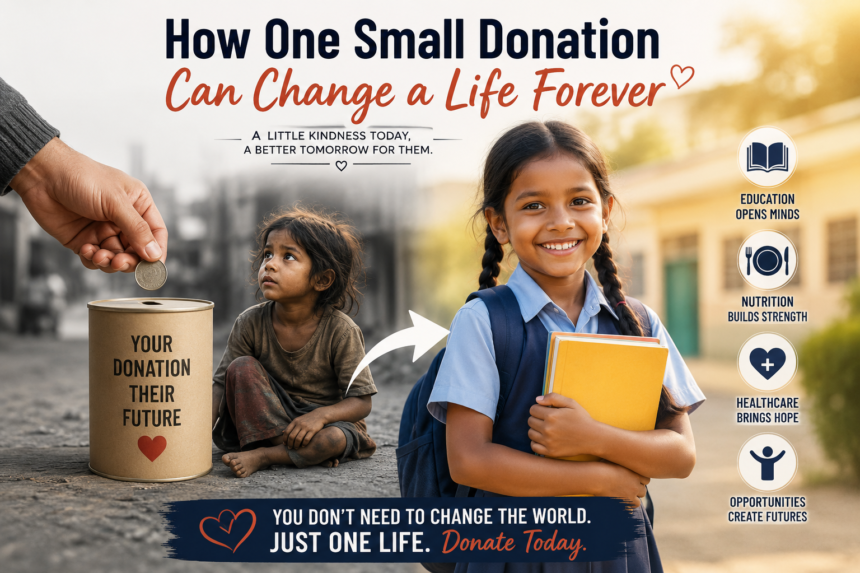
A single donation may seem insignificant on its own. However, when combined with the generosity of others, it can help provide food for hungry families, educational opportunities for children, healthcare for vulnerable communities, emergency relief after disasters, and support for countless humanitarian initiatives.
History has repeatedly shown that collective generosity can transform lives, strengthen communities, and create opportunities where none previously existed. Whether someone donates five dollars, ten dollars, or fifty dollars, every contribution becomes part of a larger effort to improve lives and address some of society’s most pressing challenges.
Understanding how small donations create meaningful impact can inspire more people to participate in charitable giving and recognize that positive change is often built one contribution at a time.
Why Small Donations Matter More Than Most People Realize
Many charitable organizations depend heavily on recurring small donations rather than occasional large gifts.
There are several reasons for this.
Consistent Support Creates Stability
When many people contribute modest amounts regularly, organizations gain a more predictable source of funding.
This stability allows charities to:
- Plan long-term programs
- Hire qualified staff
- Expand services
- Respond to emergencies
- Invest in sustainable solutions
A charity supported by thousands of small donors is often more resilient than one dependent on a handful of large contributors.
Collective Giving Creates Massive Impact
Consider a simple example.
If 10,000 people donate just $10 each, the result is:
- $100,000 raised
- Hundreds of meals provided
- Educational materials distributed
- Medical assistance funded
- Community projects launched
What appears small individually becomes significant collectively.
How Donations Help Fight Hunger
One of the most immediate impacts of charitable giving is addressing food insecurity.
Millions of people worldwide continue to struggle with access to nutritious meals.
Charitable organizations frequently use donations to:
- Purchase food supplies
- Operate community kitchens
- Support food banks
- Deliver emergency food packages
- Assist vulnerable families
For a child facing hunger, a meal can improve health, concentration, educational outcomes, and overall well-being.
What may represent a small financial contribution for a donor can represent a critical lifeline for someone in need.
Supporting Education Through Giving
Education remains one of the most powerful tools for breaking cycles of poverty.
Yet many children around the world lack access to basic educational resources.
Donations often help provide:
School Supplies
Many students need:
- Notebooks
- Textbooks
- Pens and pencils
- School uniforms
- Learning materials
Scholarships
Financial support can help students continue their education despite economic challenges.
Technology Access
Modern education increasingly relies on technology.
Donations can support:
- Computers
- Internet access
- Digital learning resources
- Educational software
Education investments frequently produce long-term benefits that extend far beyond the initial contribution.
Healthcare Support Saves Lives
Access to healthcare remains a challenge for millions of people globally.
Charitable donations help support:
- Medical clinics
- Vaccination programs
- Health screenings
- Maternal healthcare
- Emergency medical treatment
In many underserved regions, charitable funding can help provide services that might otherwise remain unavailable.
Even relatively modest donations can contribute toward medical supplies, preventative care programs, and community health initiatives.
Emergency Relief Depends on Generous Donors
Natural disasters and humanitarian emergencies often occur without warning.
When crises strike, charitable organizations frequently rely on public donations to provide rapid assistance.
Emergency aid may include:
- Food
- Water
- Shelter
- Medical care
- Hygiene supplies
- Recovery assistance
Small donations become especially valuable during emergencies because they can be mobilized quickly to support urgent needs.
The combined generosity of thousands of donors often enables relief organizations to respond faster and more effectively.
The Ripple Effect of Charitable Giving
The impact of donations often extends far beyond the initial assistance provided.
For example:
A child receives educational support.
↓
That child gains knowledge and skills.
↓
Educational opportunities improve employment prospects.
↓
Higher earnings support a family.
↓
Future generations benefit.
One donation can create a chain reaction that influences lives for years or even decades.
This ripple effect helps explain why charitable giving remains one of the most effective ways individuals can contribute to positive social change.
Why Transparency Matters
Donors understandably want to know how their contributions are used.
Trust plays a critical role in charitable giving.
Responsible organizations typically provide information about:
- Program outcomes
- Financial accountability
- Community impact
- Project updates
- Organizational goals
Transparency helps donors understand the real-world impact of their support and encourages continued engagement.
Common Myths About Donations
Myth 1: My Donation Is Too Small to Matter
Reality:
Many successful charitable initiatives are funded primarily through small contributions from large numbers of people.
Myth 2: Only Wealthy People Can Make a Difference
Reality:
Generosity is not measured solely by dollar amounts.
Many impactful charitable movements have been built on modest donations from ordinary individuals.
Myth 3: Donations Only Provide Temporary Help
Reality:
Many organizations focus on long-term solutions involving education, healthcare, economic development, and community empowerment.
Myth 4: One Person Cannot Create Meaningful Change
Reality:
Every large charitable effort begins with individuals choosing to help.
The Emotional Benefits of Giving
Research has consistently suggested that charitable giving can positively affect donors as well as recipients.
Many people report experiencing:
- Greater life satisfaction
- Increased sense of purpose
- Stronger community connections
- Enhanced emotional well-being
- Personal fulfillment
Giving often creates a sense of participation in something larger than oneself.
This emotional reward helps explain why philanthropy remains important across cultures and societies.
How Communities Become Stronger Through Collective Generosity
Communities thrive when people support one another.
Donations frequently help fund:
- Educational initiatives
- Healthcare services
- Youth programs
- Food assistance
- Community development projects
These investments contribute to stronger, healthier, and more resilient communities.
When individuals work together toward common goals, the results often exceed what any single person could achieve alone.
The Growing Importance of Global Giving
Technology has transformed charitable giving.
Today, donors can support causes across the world with just a few clicks.
This global connectivity enables people to contribute toward:
- Disaster relief
- Education projects
- Healthcare initiatives
- Environmental programs
- Poverty reduction efforts
As a result, charitable giving increasingly transcends geographic boundaries.
People can support causes that align with their values regardless of location.
Support Our Mission
Every contribution helps us continue creating valuable content, raising awareness, and supporting initiatives that make a positive difference in communities around the world.
Whether your donation is large or small, your support helps expand opportunities for those who need them most.
Donate Today
Frequently Asked Questions
Do small donations really make a difference?
Yes. Many charitable organizations rely heavily on small donations from large numbers of supporters.
What causes benefit most from donations?
Common areas include education, healthcare, food security, disaster relief, environmental protection, and community development.
How can donors ensure their money is used responsibly?
Review organizational transparency reports, financial information, and impact updates before contributing.
Is recurring giving better than one-time donations?
Recurring donations often provide organizations with more predictable funding for long-term planning.
Can charitable giving create lasting change?
Yes. Many successful initiatives focus on sustainable improvements in education, healthcare, and economic opportunity.
Conclusion
Small donations have the power to create extraordinary outcomes when combined with the generosity of others. Whether supporting education, healthcare, food assistance, disaster relief, or community development, every contribution helps build a stronger and more compassionate world.
Positive change rarely happens overnight. Instead, it emerges through countless individual acts of kindness and generosity. By contributing what we can, when we can, we become part of a collective effort that improves lives, strengthens communities, and creates opportunities for future generations.
The next life changed by a donation could be someone who simply needs a chance, a resource, or a helping hand to move forward. Sometimes the smallest gifts create the greatest impact.
Editorial Note
This article was independently prepared by the Articlwe Blog editorial team for educational and informational purposes. The content is intended to raise awareness about charitable giving, community support, and the positive impact of philanthropy worldwide.
Sources
- United Nations Development Programme (UNDP)
- World Food Programme (WFP)
- UNICEF
- World Health Organization (WHO)
- OECD Philanthropy Research
- Giving USA Annual Reports